HANOI METROPOLITAN UNIVERSITY AND GUANGXI VOCATIONAL NORMAL UNIVERSITY (CHINA): CONNECTING KNOWLEDGE – PROMOTING COOPERATION IN EDUCATION, RESEARCH, AND HUMAN RESOURCE DEVELOPMENT
Against the backdrop of global higher education shifting rapidly from isolated competition to collaboration, connectivity, and co-creation, internationalization is no longer measured solely by the number of exchange programs or cooperation agreements. Instead, it is increasingly evaluated by the ability to build knowledge networks that generate academic value and make meaningful contributions to the development of individual countries and the region. For Vietnam and China—two neighboring countries with increasingly comprehensive cooperation and shared dynamic development opportunities—higher education has become an important bridge for promoting people-to-people exchanges, developing high-quality human resources, and strengthening mutual understanding between the two nations.
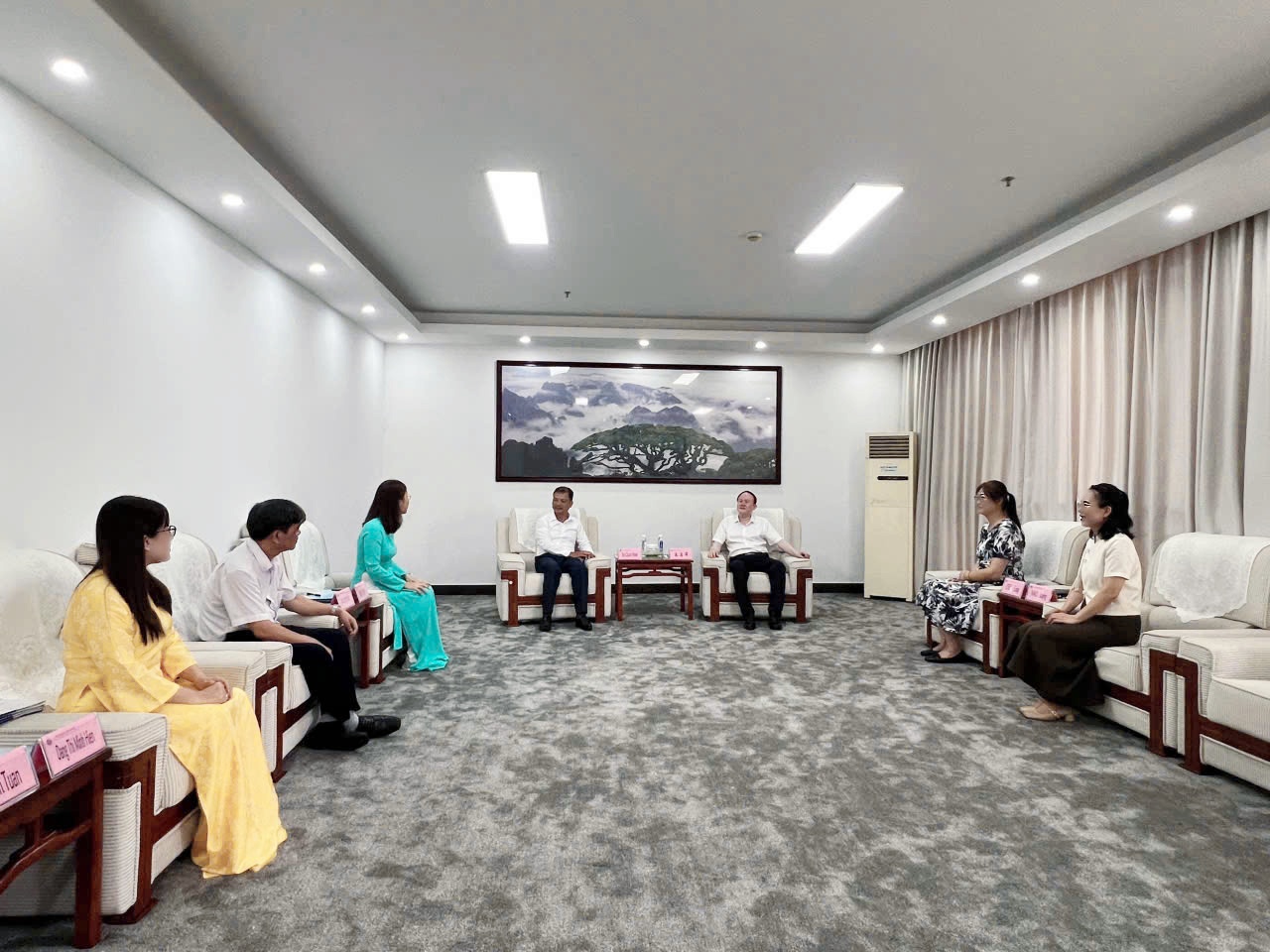
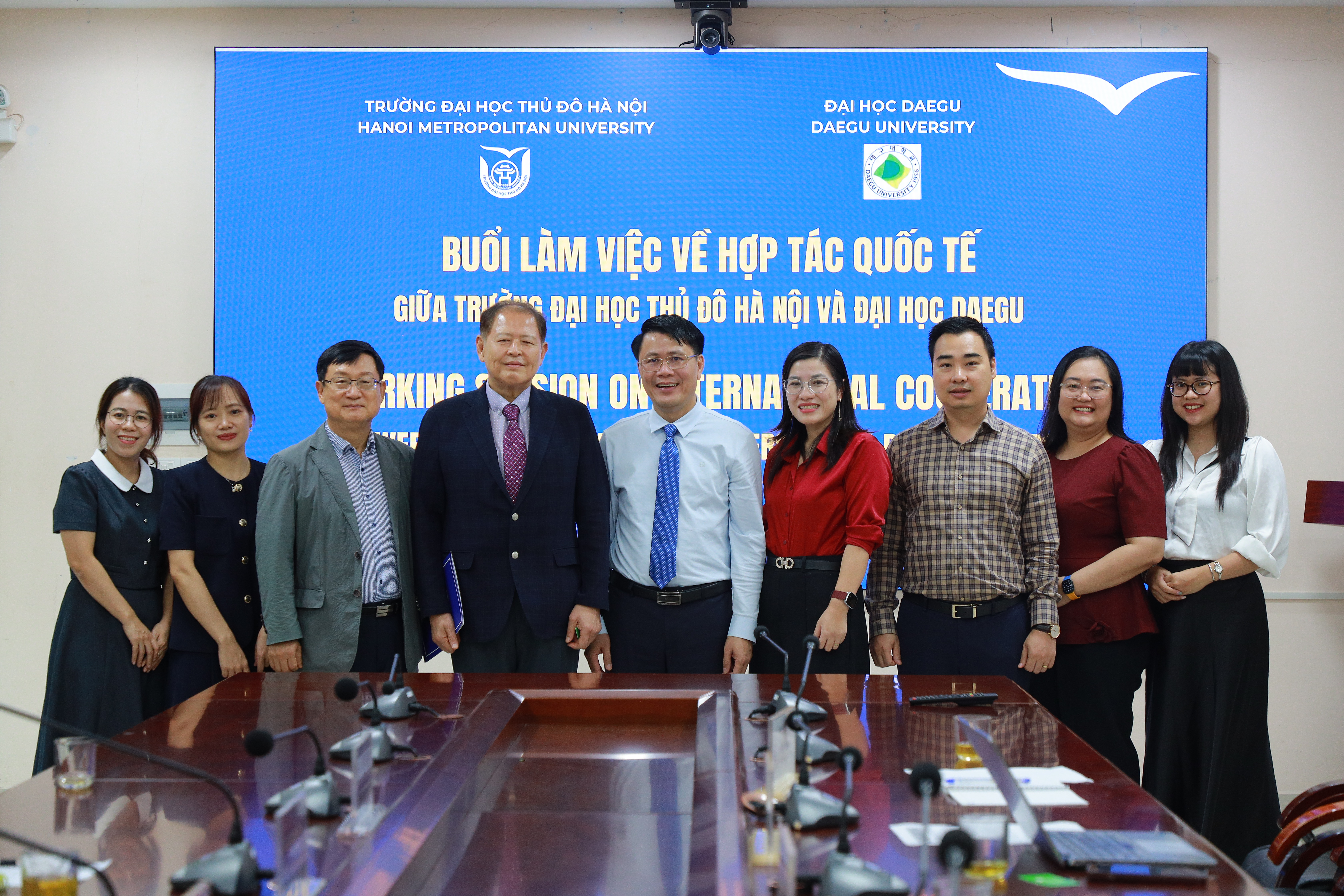
As part of its working visit to China, the delegation of Hanoi Metropolitan University, led by Dr. Bui Quoc Hoan, Vice President of the University, held a working session with Guangxi Vocational & Technical Normal University. The delegation also included Assoc. Prof. Dr. Vu Cong Hao, Dr. Bui Van Tuan, Dr. Dang Thi Minh Hien, and Dr. Nguyen Thi Thanh Hue. The meeting not only aimed to implement the contents of the Memorandum of Understanding (MOU) previously signed between the two institutions but also opened up new directions for cooperation in education, scientific research, digital transformation in education, and human resource development in the context of international integration.
Connecting Shared Development Visions and Expanding Educational Cooperation
Speaking at the meeting, Dr. Bui Quoc Hoan affirmed that Hanoi Metropolitan University considers international cooperation one of the key drivers for enhancing educational quality, scientific research, and global integration. Within the University's development strategy, establishing partnerships with prestigious higher education institutions in China not only creates additional opportunities for lecturers and students to study and conduct research but also promotes academic exchange, the sharing of university governance experiences, and the development of academic programs that meet the demands of the labor market in the digital era.
The leadership of Guangxi Vocational & Technical Normal University highly appreciated Hanoi Metropolitan University's achievements in education, scientific research, and international cooperation while expressing its desire to establish a long-term, practical, and mutually beneficial partnership. With strengths in teacher education, applied science and technology, vocational education, and cooperation with ASEAN countries, the University considers Vietnam one of its priority partners in its internationalization strategy, particularly in foreign language education, cultural studies, educational innovation, and human resource development.
The shared development orientations of the two universities have created a solid foundation for expanding comprehensive cooperation, ranging from academic exchanges to the co-development of educational programs and research projects with practical value.
Building an Intercultural Education Ecosystem
One of the key topics of the meeting was the development of a cooperative education ecosystem that leverages the strengths of both institutions. Participants discussed in depth the possibility of implementing lecturer and student exchange programs, credit transfer mechanisms, international semesters, summer schools, short-term courses, internships, and professional field experiences.
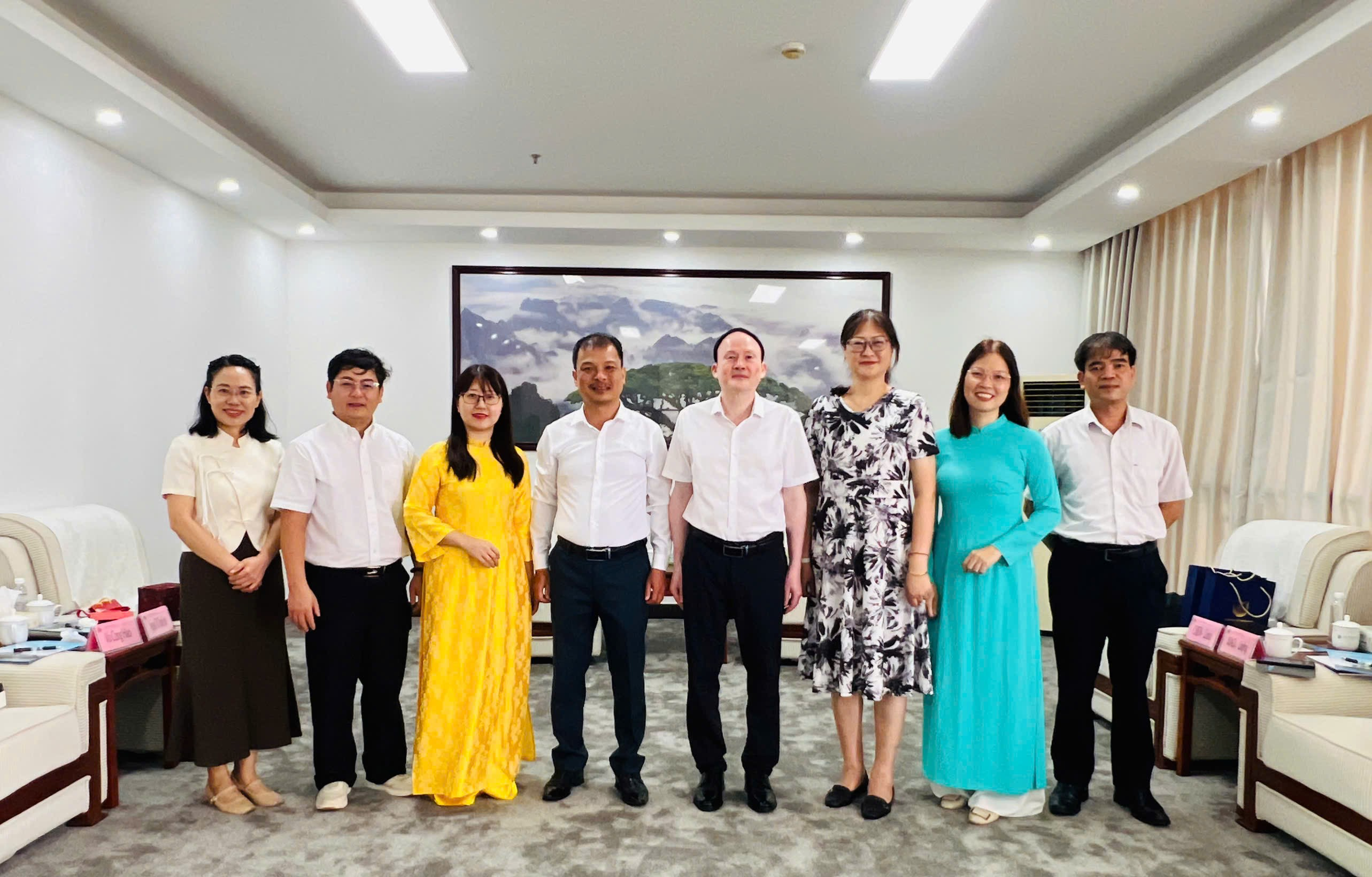
Assoc. Prof. Dr. Vu Cong Hao emphasized that educational cooperation in the new era should be designed with flexibility, diversity, and a learner-centered approach. Beyond traditional exchange activities, the two universities could jointly develop integrated courses, short-term training programs, international classes, and provide students with opportunities to experience multicultural learning environments.
The two sides also agreed to explore the development of co-teaching and co-supervision programs, connect expert networks, and expand experiential learning activities, thereby creating a cross-border academic space where knowledge is shared, connected, and continuously innovated.
Cooperation in Scientific Research and Educational Innovation
In addition to education, scientific research was identified as another important pillar of cooperation. Both institutions agreed to promote the establishment of joint research groups, co-organize international conferences, publish scientific works, and jointly develop textbooks and teaching materials.
In the context of digital transformation reshaping teaching and learning methods, Dr. Nguyen Thi Thanh Hue, Vice Dean of the Faculty of Foreign Languages, proposed that the two universities strengthen exchanges on the application of artificial intelligence in foreign language teaching, digital learning materials, open educational resources, digital platforms, and innovative teaching methodologies. These initiatives are expected not only to improve educational quality but also to contribute to building a modern learning environment that meets the demands of higher education in the digital age.
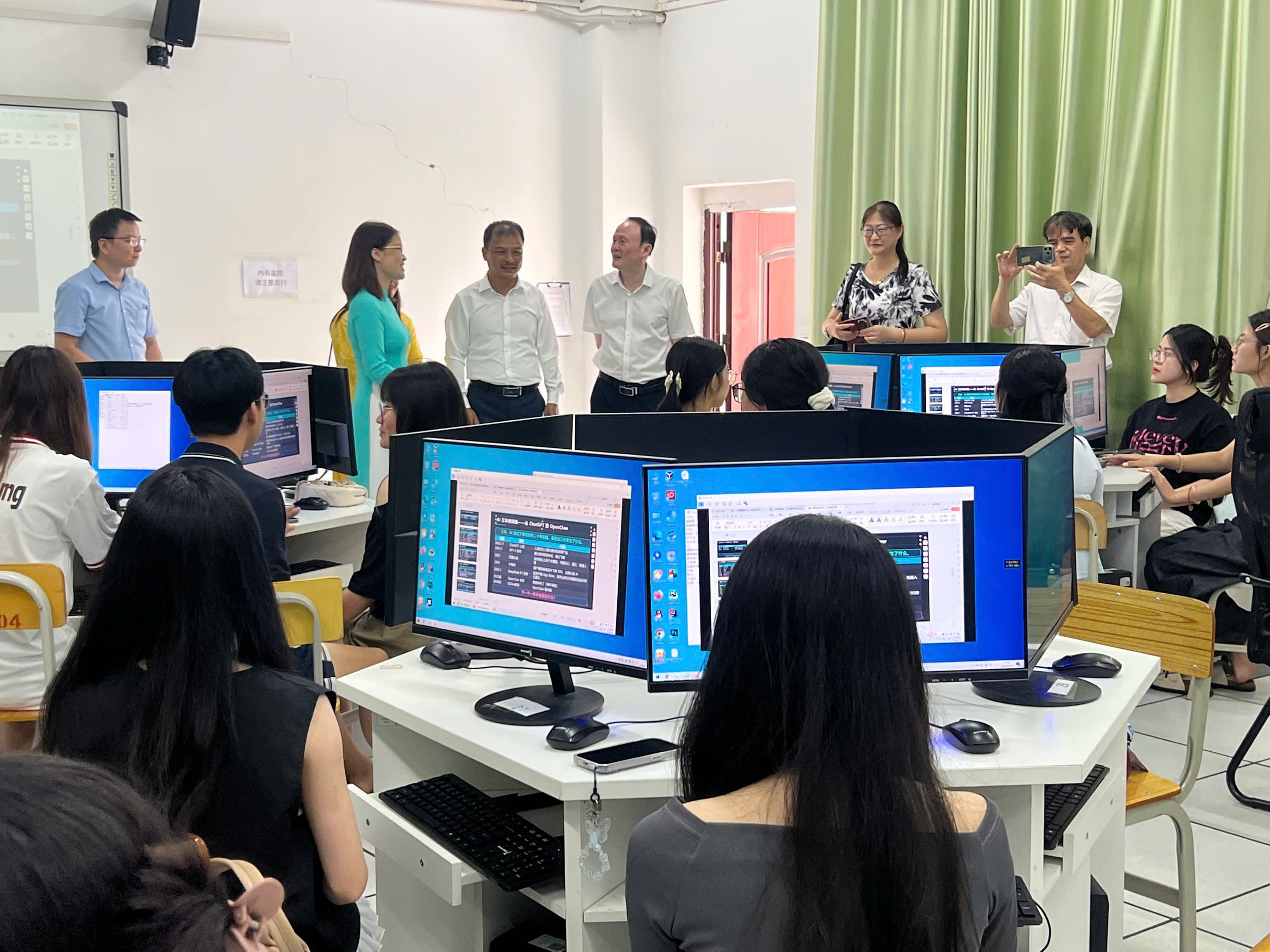
By combining Guangxi Vocational & Technical Normal University's strengths in applied education with Hanoi Metropolitan University's expertise in social sciences, culture, and languages, both institutions expect to generate valuable interdisciplinary research directions that contribute to addressing practical educational and social development challenges.
Promoting Strengths in Vietnamese Studies, Hanoi Studies, and Vietnamese Language Education
Another area receiving considerable attention was cooperation in Vietnamese Studies and Vietnamese language education for international learners.
Dr. Bui Van Tuan introduced the development orientations of the Institute of Hanoi Studies and International Education, particularly its Vietnamese Language Training Program, which is structured into three levels with six proficiency bands from A1 to C2. The program integrates language instruction with cultural experiences and practical communication skills, aiming to comprehensively develop learners' Vietnamese language proficiency while deepening their understanding of Vietnam's culture, history, people, and society.

The two universities also discussed opportunities to jointly develop cultural immersion programs, compile bilingual teaching materials, and organize academic forums on language and culture. As the demand for learning Vietnamese in China continues to grow, closer collaboration between the two institutions is expected to expand cooperation in foreign language education while promoting Vietnamese culture internationally.
Aligning Education with Workforce Needs and Strengthening Industry Partnerships
Beyond academic cooperation, both universities devoted considerable attention to aligning education with labor market demands.
Dr. Dang Thi Minh Hien proposed expanding collaboration in Chinese language education, tourism, service industries, cultural exchange, and business partnerships to provide students with greater opportunities for internships, professional experiences, and enhanced competencies for working in international environments.
The two institutions also agreed to explore cooperation with educational institutions, enterprises, and local authorities to organize internships, field studies, community projects, and demand-driven training programs. This approach is regarded as an important strategy for improving students' practical skills, career adaptability, and global competitiveness after graduation.
From Commitments to Concrete Action Plans
At the conclusion of the meeting, the leaders of both universities agreed to assign their respective professional units to develop implementation roadmaps for each area of cooperation, ensuring that the commitments outlined in the Memorandum of Understanding would soon be translated into practical educational programs, scientific research initiatives, and academic exchange activities.
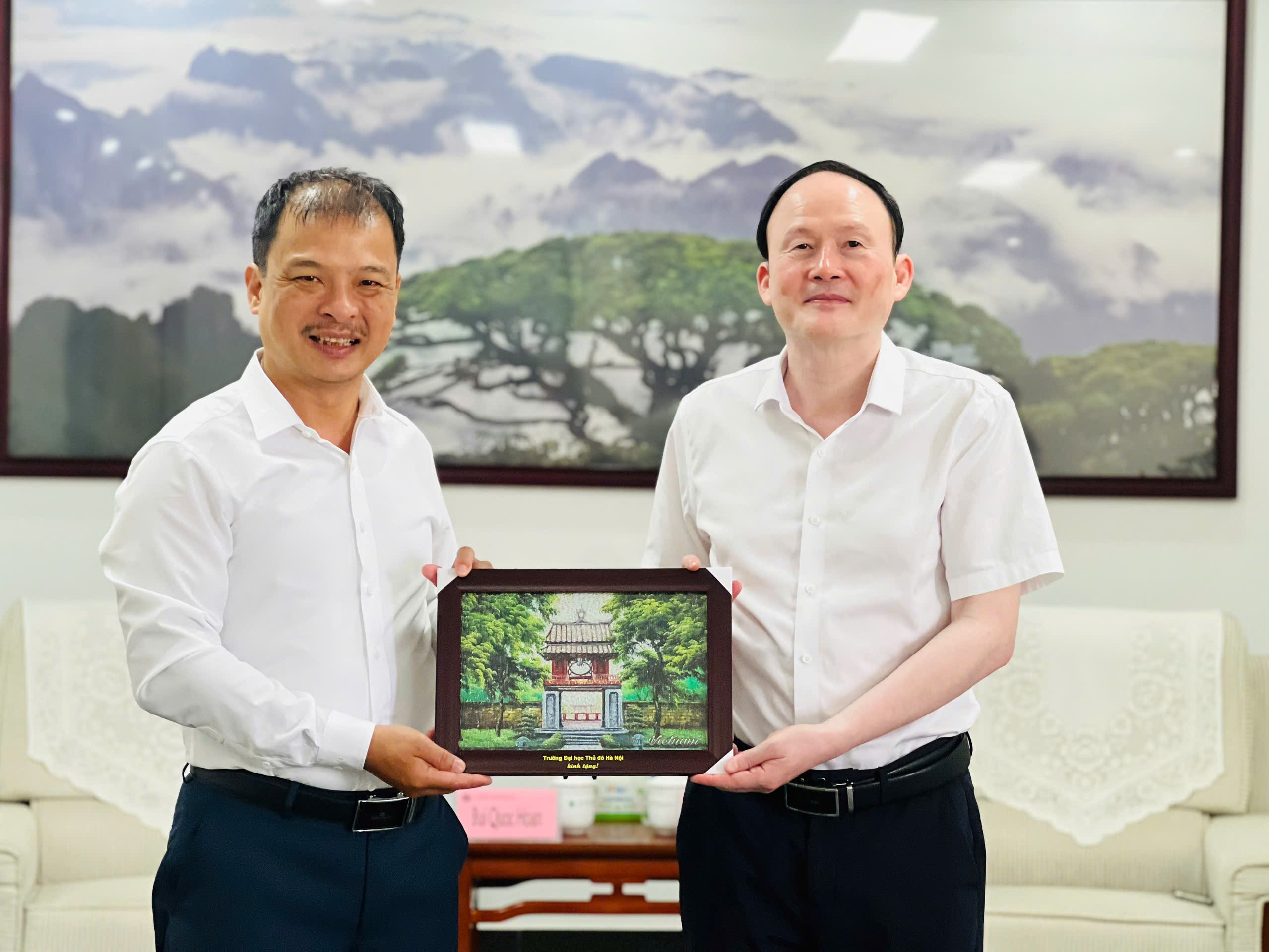
The working visit to Guangxi Vocational & Technical Normal University not only marked a new milestone in the partnership between the two institutions but also reaffirmed Hanoi Metropolitan University's determination to expand its international network, enhance educational quality, and promote global integration. Built upon mutual trust, shared values, and common development goals, the two universities look forward to creating new academic achievements together, contributing to the development of high-quality human resources, strengthening people-to-people exchanges, and further deepening the friendship between Vietnam and China in the years ahead.
Bùi Văn