EXPERIENTIAL JOURNEYS AS A CLASSROOM FOR INTEGRATION AND PERSONAL GROWTH OF CHINESE LANGUAGE STUDENTS
From July 10 to 20, 2026, a delegation of students majoring in Chinese Language from the Faculty of Foreign Languages, Hanoi Metropolitan University participated in a Short-term Chinese Language and Culture Exchange Program at Guangxi Vocational and Technical Teacher College (China) under the cooperation program between the two institutions. This was not merely a short-term study trip but also a journey to broaden knowledge, nurture integration capabilities, and strengthen friendship among the younger generations of Vietnam and China.
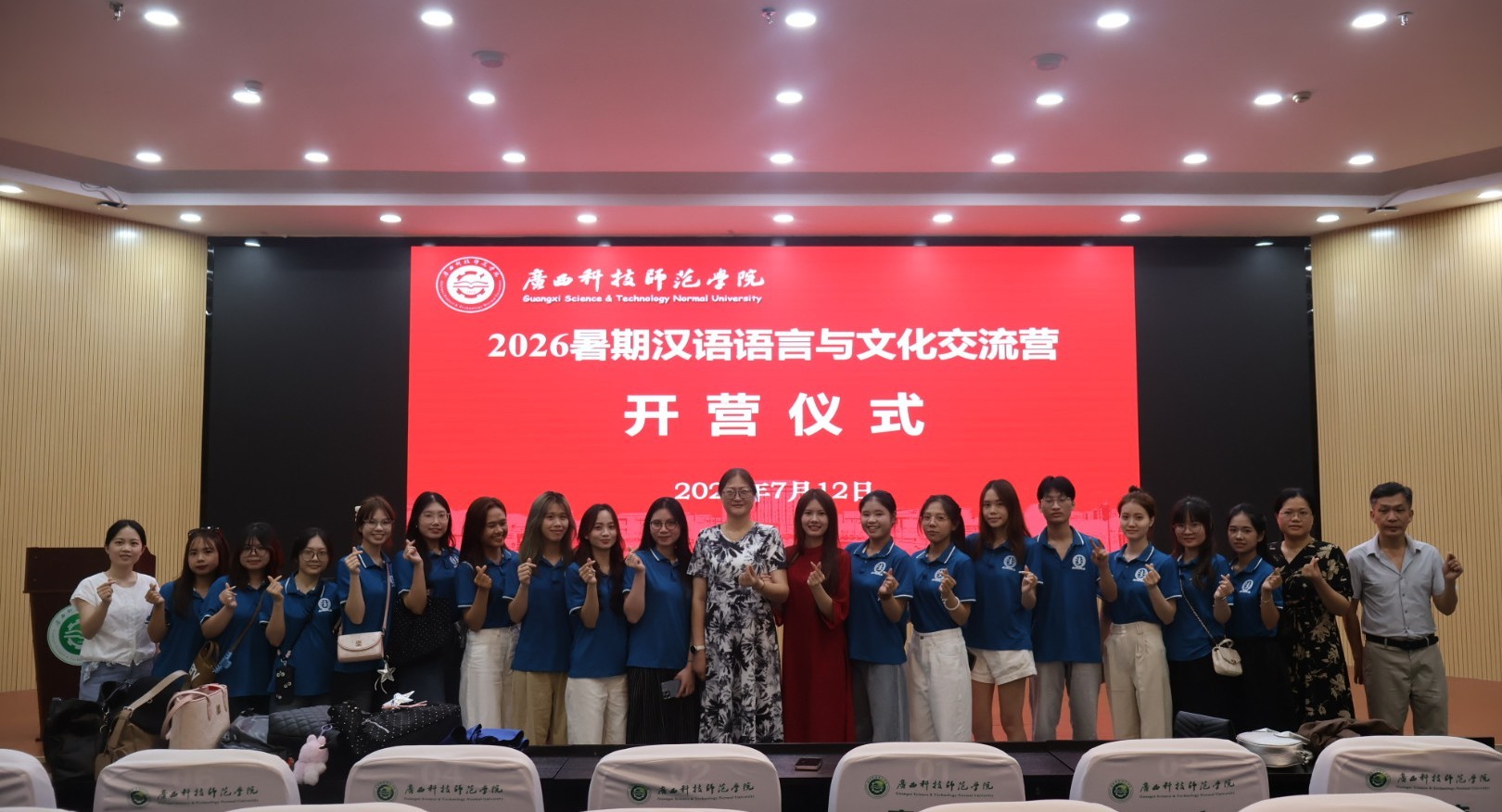
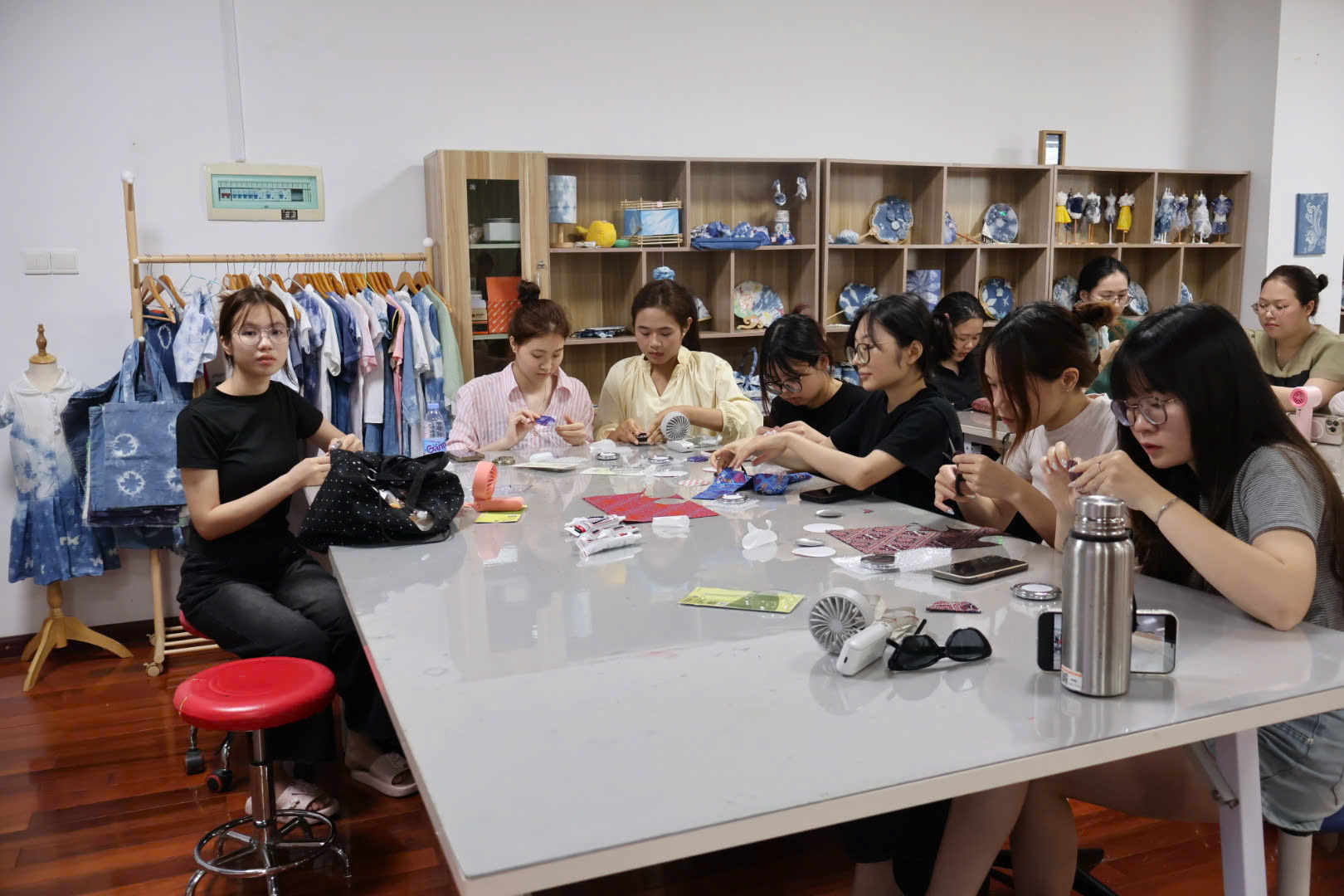
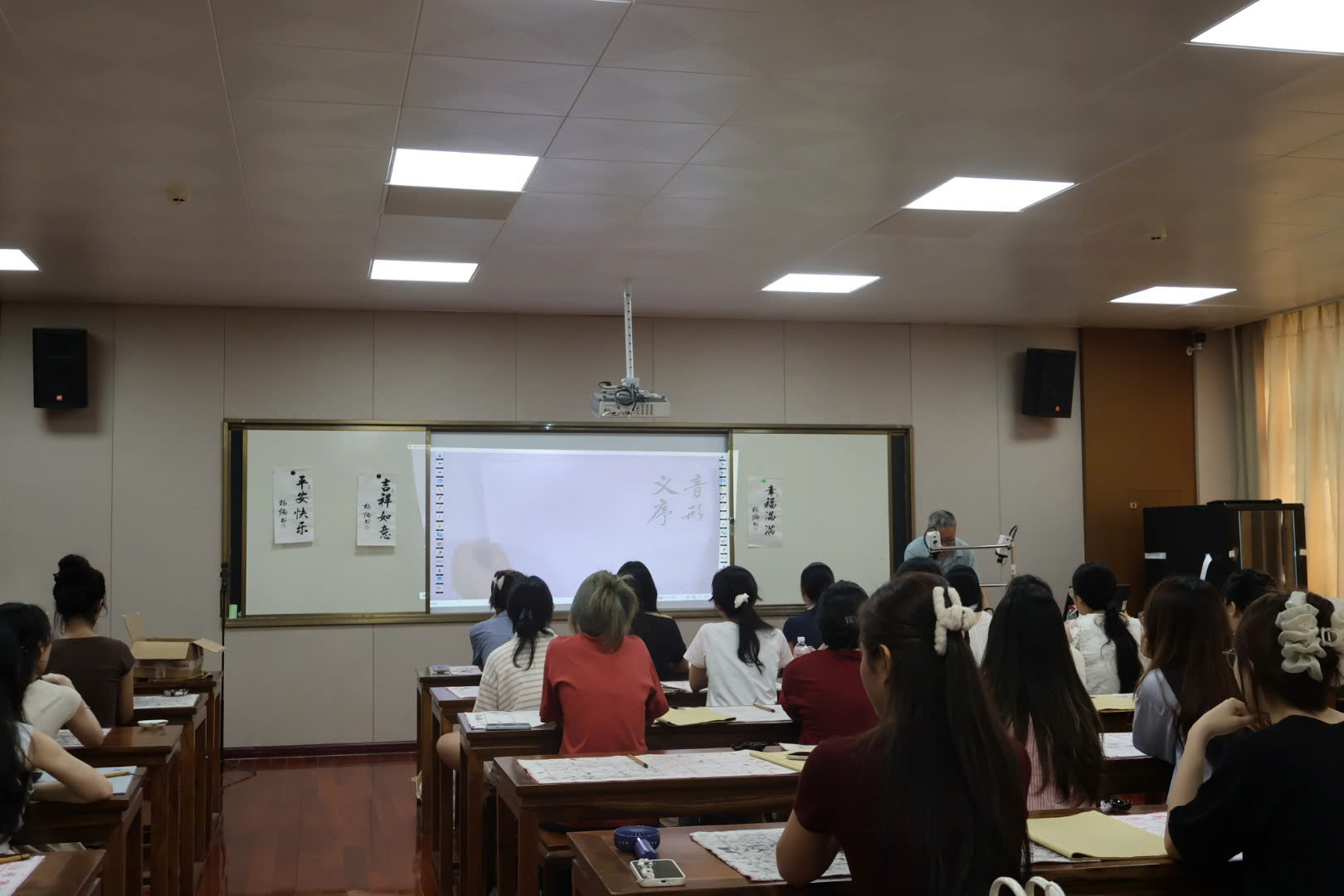
In an international academic environment, Chinese Language students from the Faculty of Foreign Languages, Hanoi Metropolitan University had the opportunity to engage in specialized topics such as Chinese literature, novels, phonetics, poetry and literature, Chinese culture, artificial intelligence foundations, and AIGC technology applications, delivered directly by lecturers from the College. These learning sessions not only helped students strengthen their language foundations but also enabled them to gain deeper insights into the historical context, aesthetic perspectives, value systems, and cultural depth behind literary works, tones, and expressions in Chinese. A distinctive feature of the program was the transformation of culture into a “living classroom” through experiential activities such as calligraphy, paper-cutting art, Chinese chess, Go, and various cultural exchange activities. Through these experiences, students directly explored the spiritual values that have nurtured Chinese civilization over thousands of years. Each brushstroke in calligraphy became a lesson in patience and harmony; each paper-cutting artwork reflected creativity and sophistication; each chess game offered an opportunity to discover strategic thinking and Eastern philosophy. Culture, from being something learned only through textbooks, became a vivid, authentic, and emotionally meaningful experience.

More importantly, the program provided students with values beyond professional knowledge. It developed intercultural communication skills as students learned to listen, understand, and respect differences in an international environment. It enhanced their confidence in using Chinese in real-life contexts, where language was no longer limited to classroom exercises but became a tool for connecting people, sharing cultures, and building friendships. It also fostered an international mindset, helping students recognize the role of foreign languages as bridges that bring knowledge, cultures, and people closer together in the era of globalization. International integration does not mean cultural assimilation. The deeper learners understand the cultures of international friends, the more clearly they can recognize and appreciate their own national identity. The ability to engage in dialogue among cultures creates global citizens who value their roots while being ready to connect with the international community.
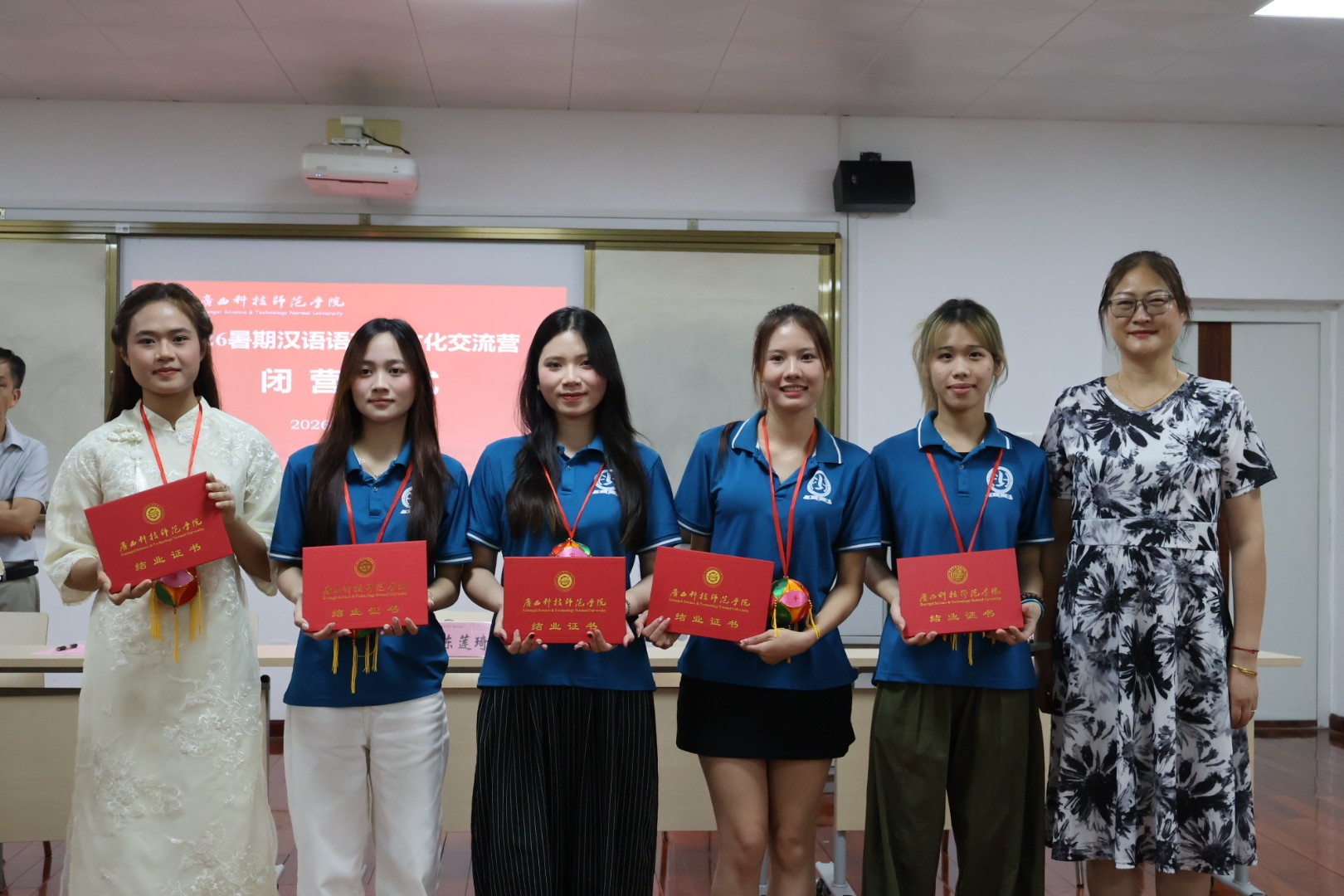
After 10 days of study and exchange, what remained was not only new knowledge or memorable photographs, but also growth in students’ perspectives, confidence, and aspirations to reach out to the world. The journey opened a new learning space where every experience became a lesson, every encounter became an opportunity for learning, and every step contributed to expanding students’ horizons.

For Hanoi Metropolitan University, international cooperation programs like this not only provide students with opportunities to access modern academic environments but also affirm the University’s educational orientation toward experiential learning, integration, and comprehensive capacity development. The ultimate goal of education is not merely to transmit knowledge, but also to nurture individuals with confidence, adaptability, and the ability to become cultural bridges connecting Vietnam with the international community. This is the most sustainable value of practical and cultural experiential programs.
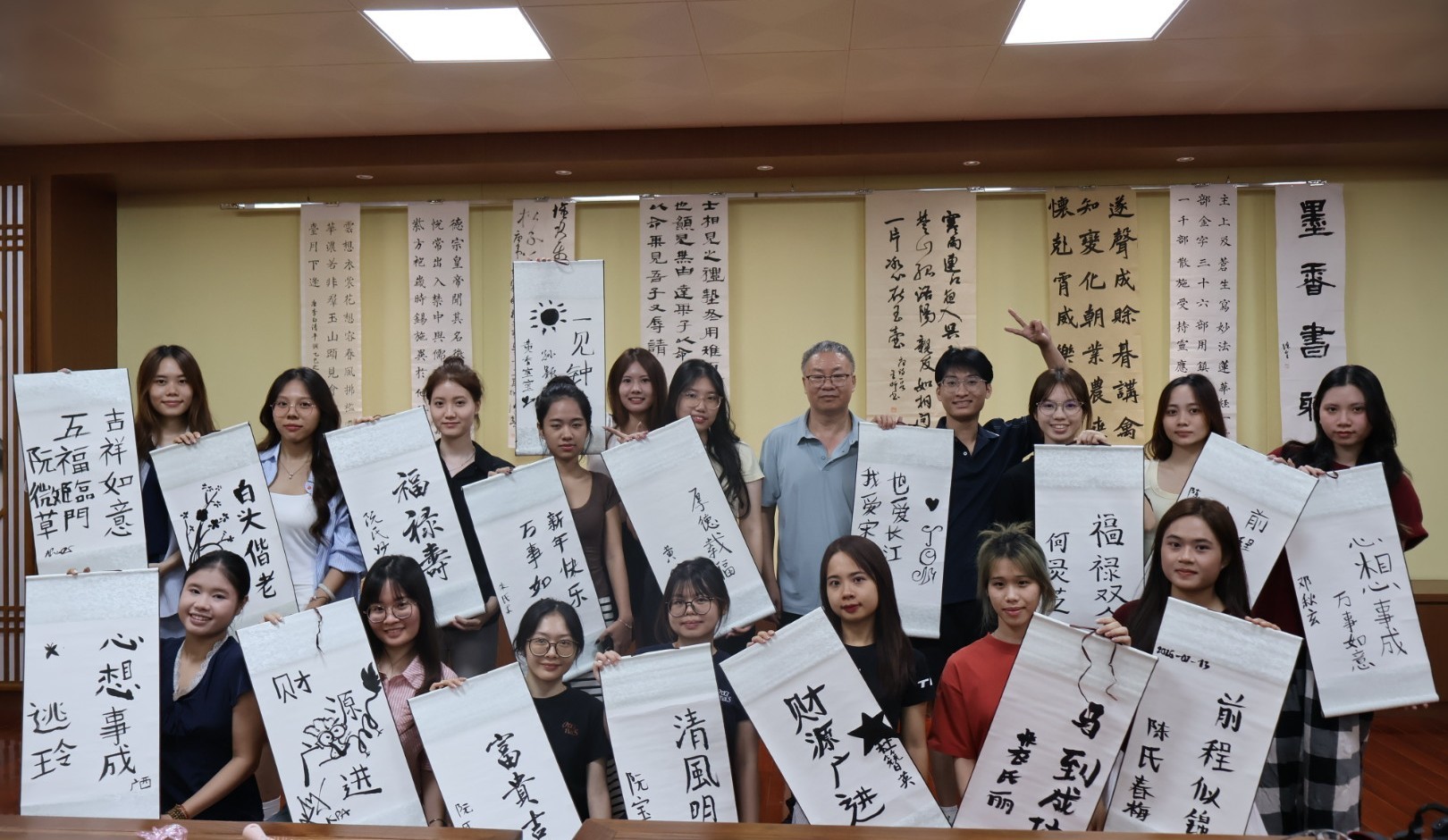
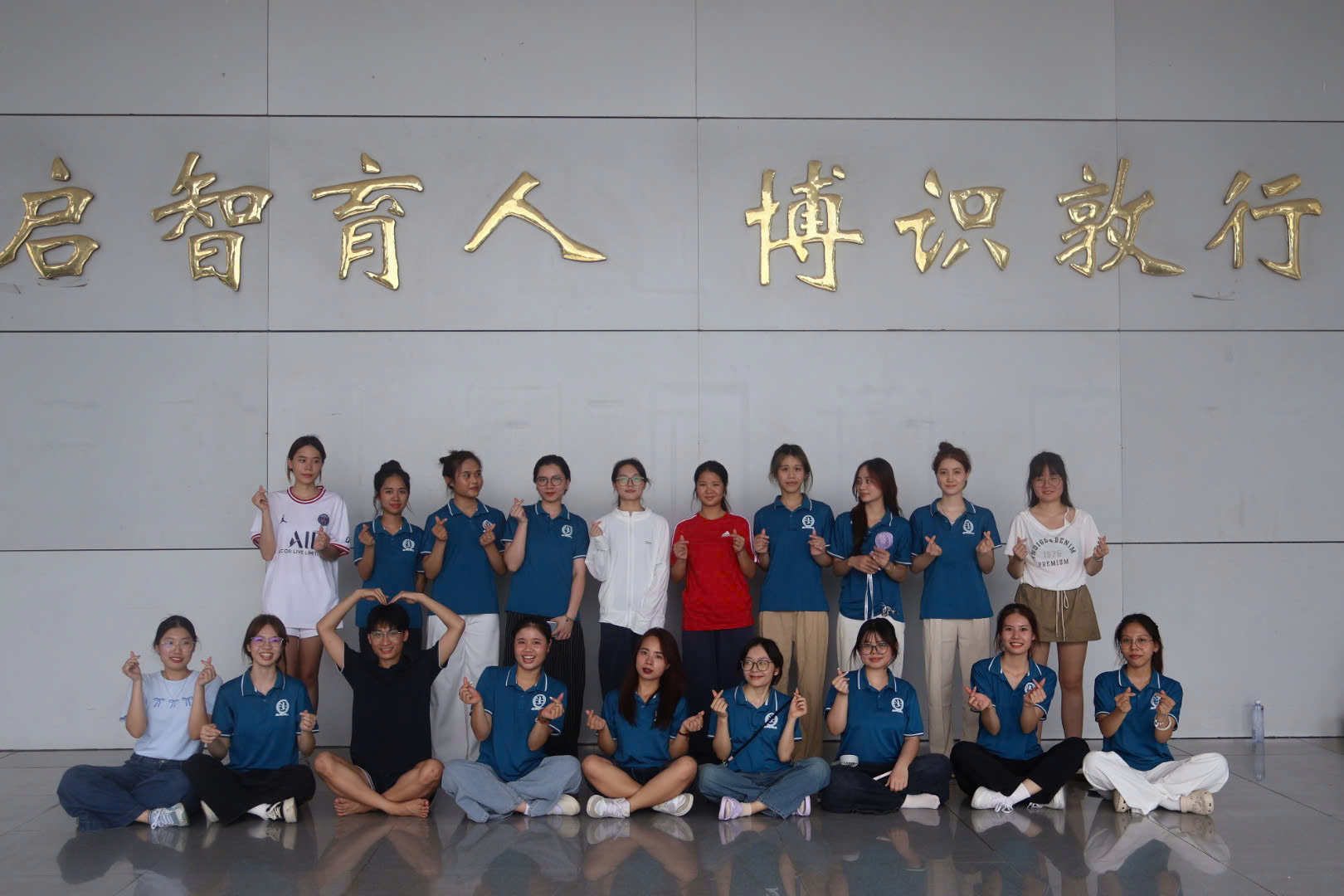
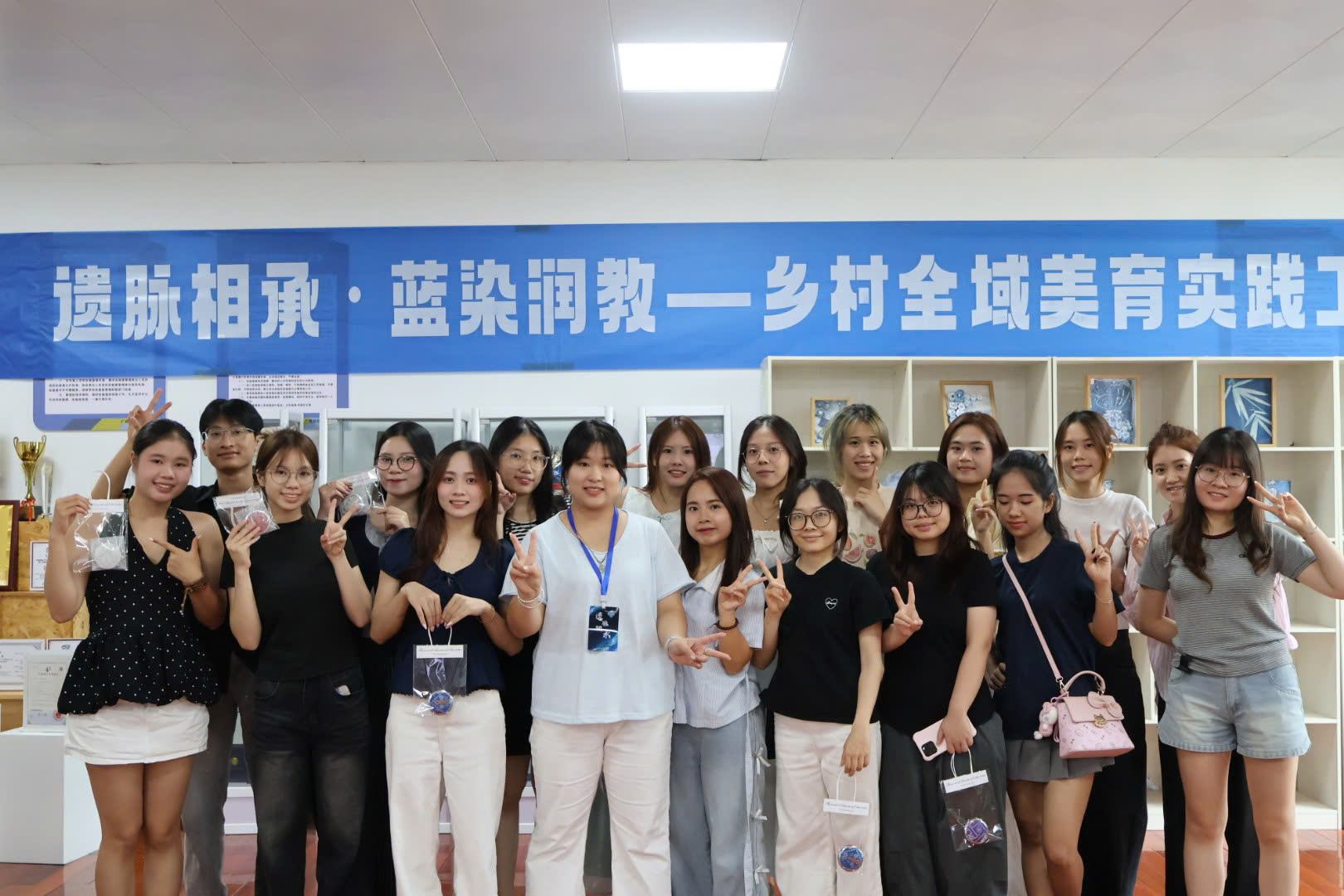
"“Some images of students’ activities during the course”"
 |  |
 |  |
Article and photos: Bui Van – Thanh Hue