Chinese Language Teacher Training: Innovating Teaching Methods, Applying AI, and Connecting Cultures
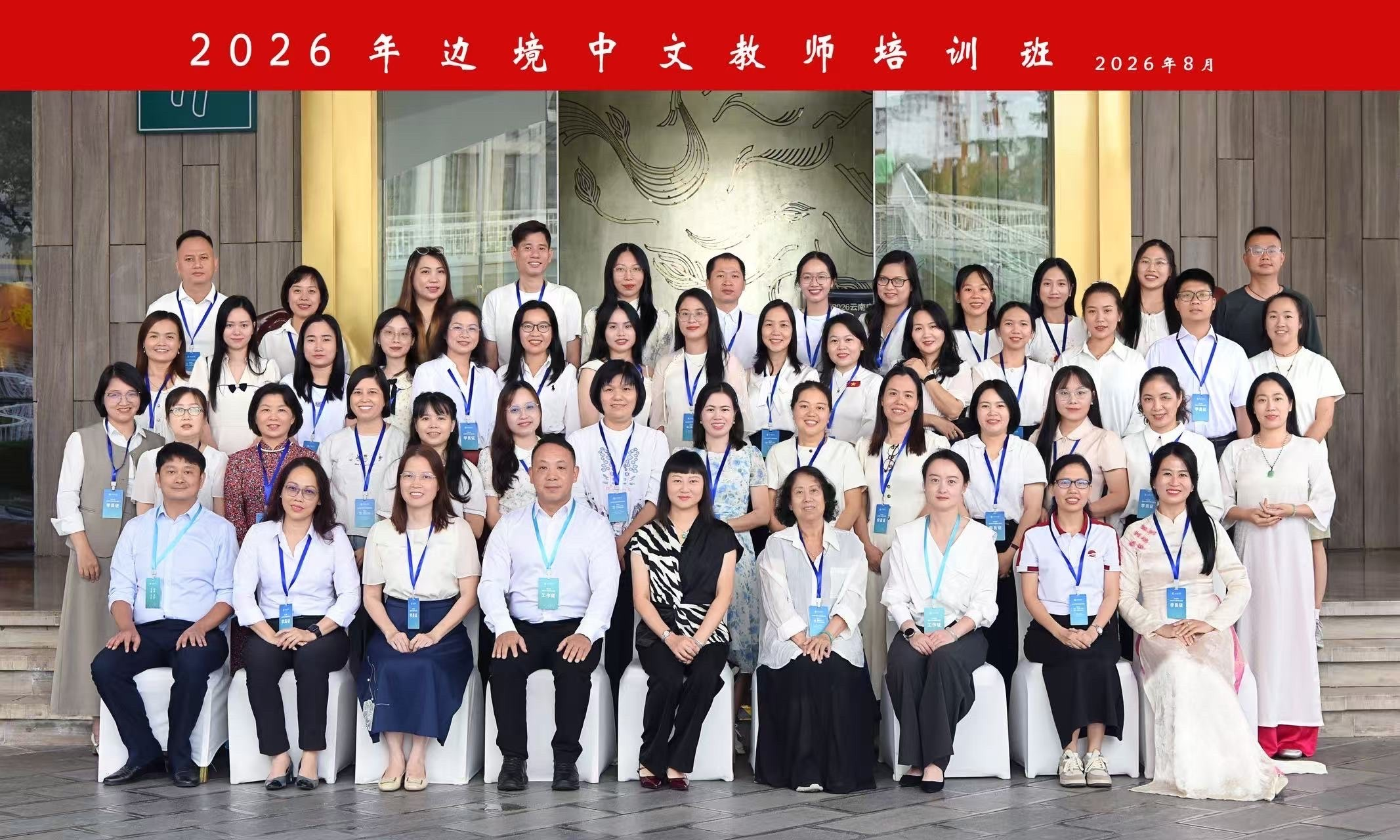
The training program was designed to closely integrate theory with practice, language teaching with cultural promotion, while emphasizing the application of new technologies in education. The program focused on three main thematic areas: innovative approaches to teaching Chinese language skills; enhancing understanding of Chinese language, script, and culture; and applying artificial intelligence (AI) in teaching and learning.
Innovative Approaches to Teaching Chinese Language Skills
During the training program, experts discussed teaching methodologies covering Chinese speaking, reading comprehension, and writing skills. Through lectures, professional discussions, and practical activities, participants were introduced to classroom approaches that promote learner engagement, enhance interaction, and connect language knowledge with real-life communication situations.
The thematic sessions not only provided theoretical foundations but also offered practical approaches to lesson planning, learning material development, learning activity organization, and learner assessment. These contents were highly practical, supporting teachers in adapting their teaching methods to the proficiency levels, needs, and characteristics of different groups of learners.
Connecting Language with History and Cultural Depth
A notable feature of the training program was the integration of language skills development with knowledge of history, Chinese characters, and culture. The sessions on “Theory and Practice of Teaching Classical Chinese” and “Theory and Practice of Teaching Chinese Character Culture” enabled participants to gain deeper insights into the formation and development of the Chinese language and writing system.
By exploring the origins, structures, and cultural meanings of Chinese characters, teachers gained additional foundations for designing engaging lessons that help learners not only memorize language but also understand the layers of historical, intellectual, and cultural values preserved in the written script. In this way, Chinese language teaching becomes a process of connecting language, knowledge, and intercultural communication.
Applying AI in Chinese Language Teaching
In the context of digital transformation having a profound impact on education, the session on “Applying Artificial Intelligence in Chinese Language Teaching” was particularly practical and timely. Participants were introduced to the potential applications of AI in lesson design, learning material development, language skills practice, assessment support, and the personalization of learning.
Appropriate use of technology can help teachers save time, diversify classroom activities, and expand learning opportunities for students. At the same time, the program also raised awareness of the teacher’s central role in selecting, verifying, and using technology responsibly, ensuring that AI supports rather than replaces pedagogical thinking and human interaction.
Experiencing Folk Culture and Intangible Cultural Heritage
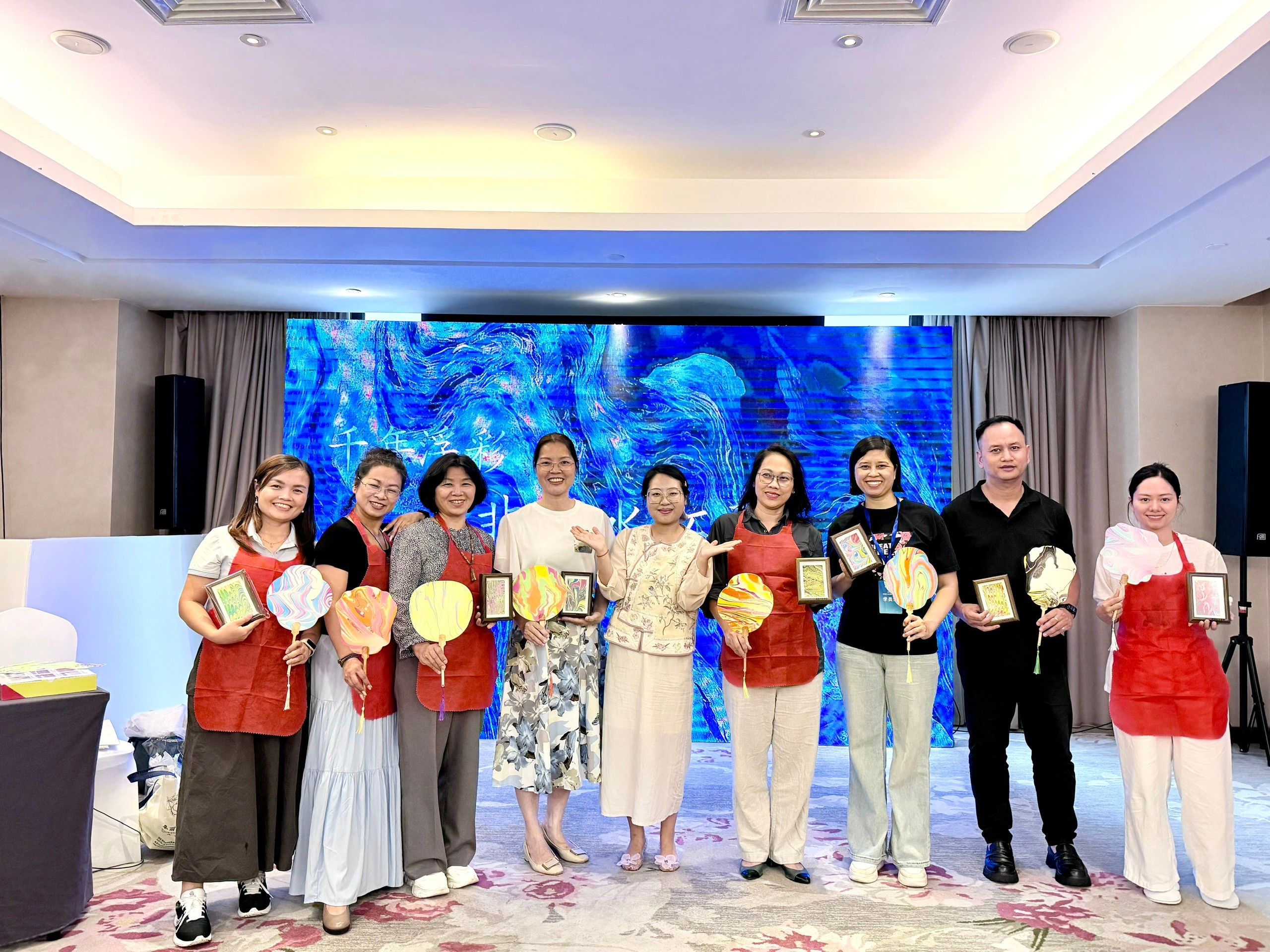
In addition to professional content, the training program included activities exploring folk culture, traditional crafts, and watercolor painting, an artistic tradition with a history spanning thousands of years and representing a distinctive form of intangible cultural heritage.
These experiential activities enabled participants to engage with culture through observation, practice, and direct experience. Culture was therefore presented not merely as theoretical content but as a living learning resource that can be integrated into Chinese language teaching. The activities also provided opportunities for teachers to exchange experiences, deepen mutual understanding, and expand professional connections.
Enhancing Teacher Competencies and Promoting Educational Cooperation
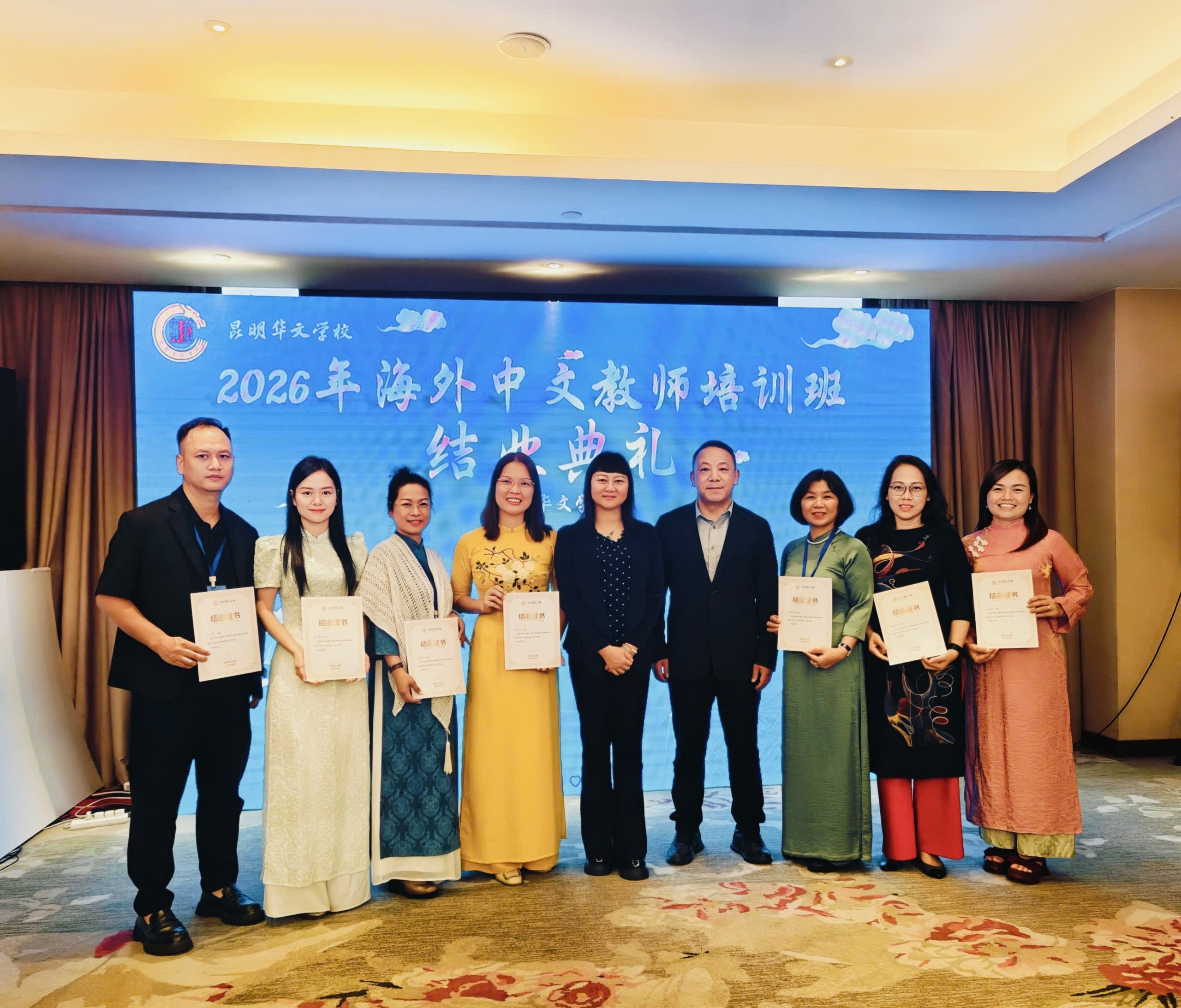
The “2026 Chinese Language Teacher Training Program for Border Regions” was a practical professional development activity responding to the requirements of innovation in language education in the context of international integration and digital transformation. The program not only provided updated knowledge, teaching methods, and technologies but also created a platform for academic exchange, experience sharing, and cultural connections among teachers in the region.
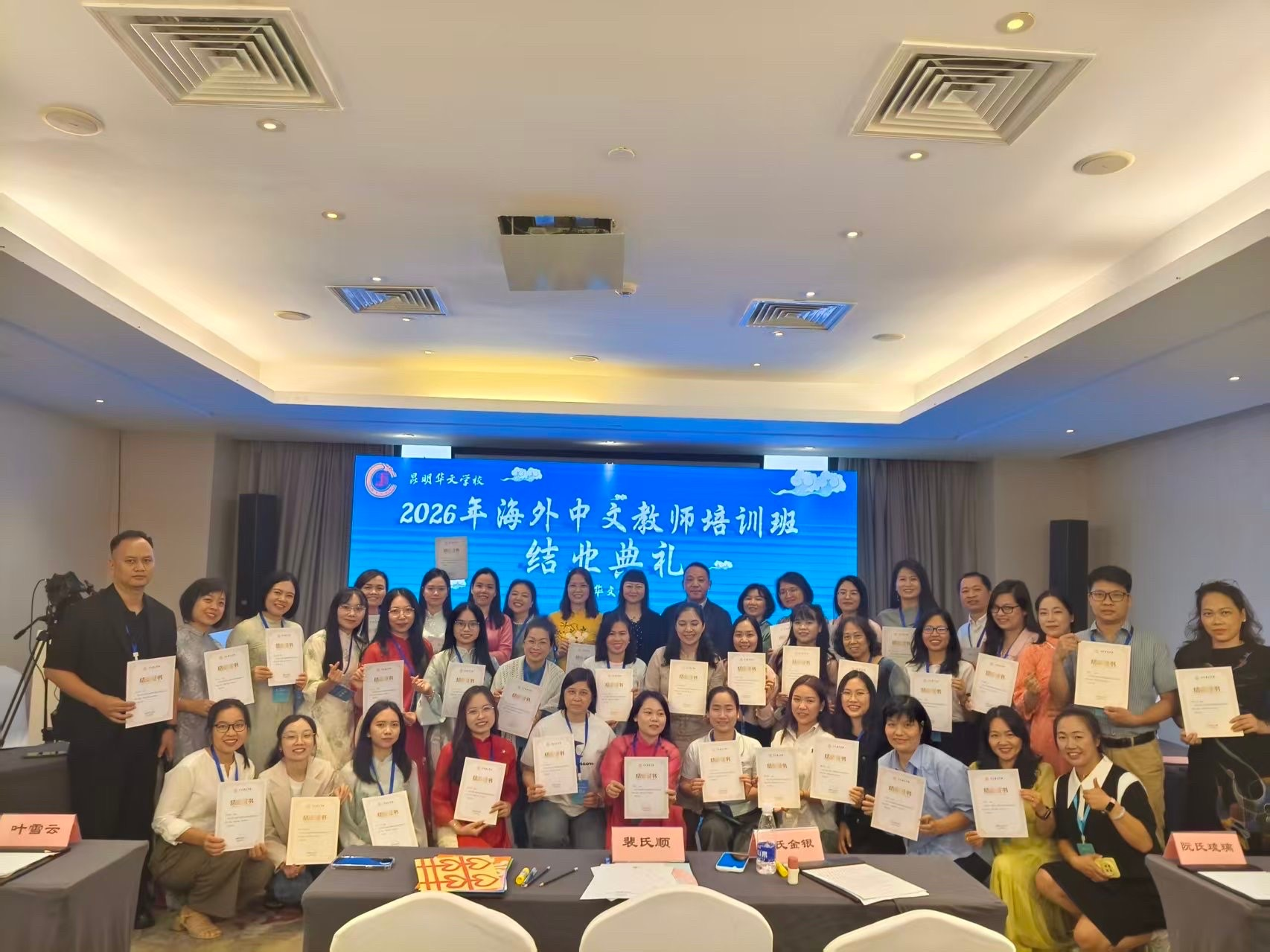
The participation of Chinese language lecturers from Hanoi Metropolitan University provided a valuable opportunity to update their knowledge, exchange experiences, and enhance their Chinese language teaching competencies in the context of digital transformation. The activity also contributed to expanding academic connections, strengthening cultural exchange, and promoting cooperation between Hanoi Metropolitan University, Kunming Chinese Language School, and educational institutions in the region.
The knowledge and experiences gained from the program will serve as valuable resources for participants to continue innovating their lessons, improving training quality, and promoting linguistic and cultural values in educational settings. Through these efforts, the program contributes to strengthening cooperation among educational institutions, fostering mutual understanding between communities, and building sustainable bridges through education.
Article and Photos: Nguyễn Thị Thanh Huệ