National Scientific Conference: “Green Transition and Digitalization in Tourism and Hospitality: Towards Sustainable Development”
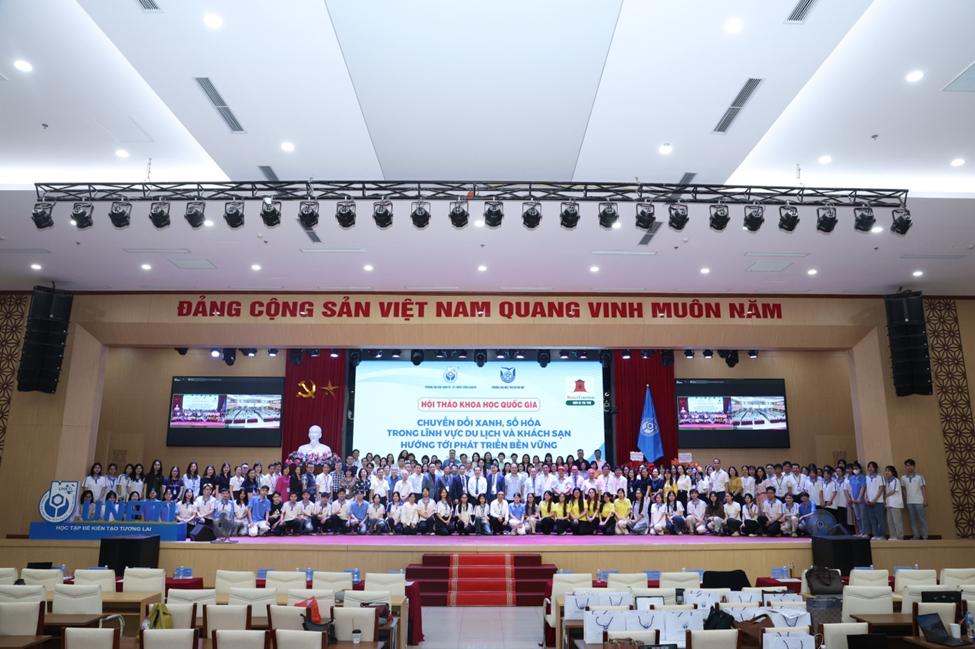
Large Attendance of Experts, Scientists, Managers, Lecturers, and Students at the Conference
In the context of global tourism facing increasing pressure from climate change, resource depletion, and the Fourth Industrial Revolution, the question for the tourism and hospitality industry is no longer “whether to transform” but “how and where to begin.” The national scientific conference held on the morning of April 17, jointly organized by Hanoi Metropolitan University and the University of Economics – Technology for Industries, brought together a large number of experts, scientists, managers, and business representatives to jointly seek answers to this issue.
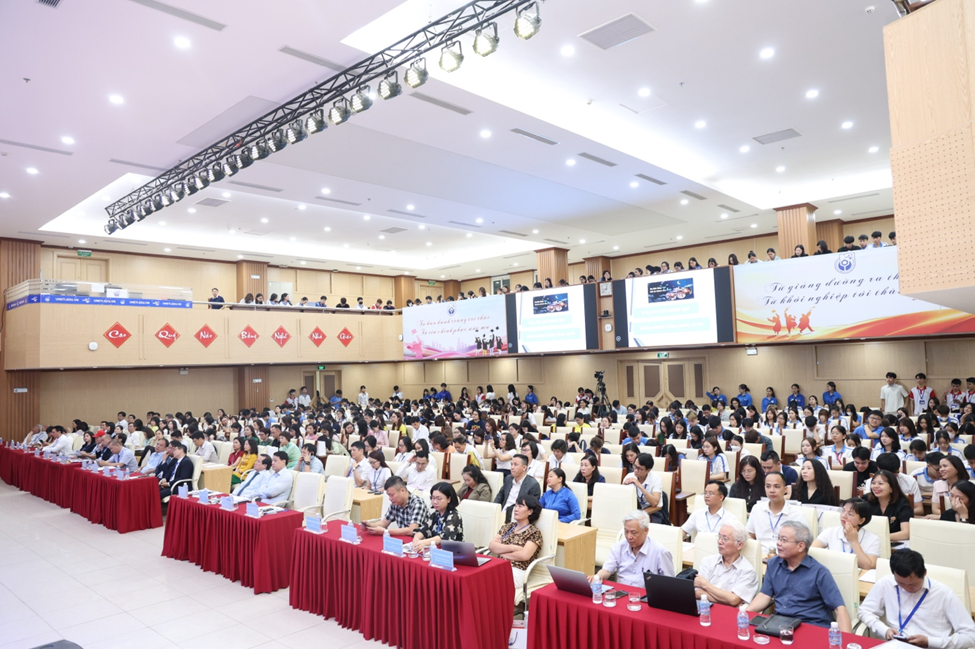
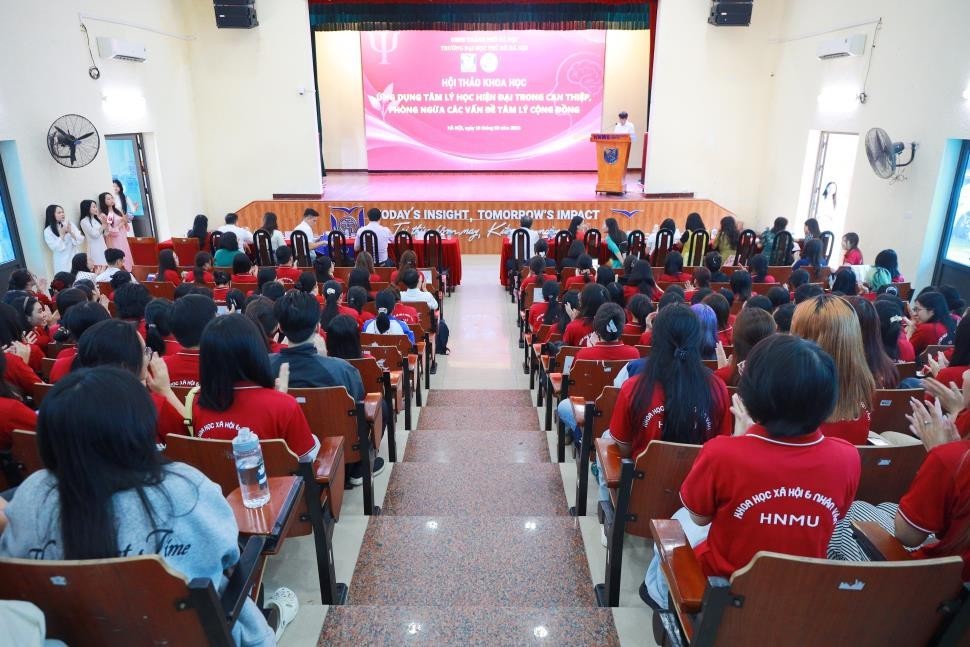
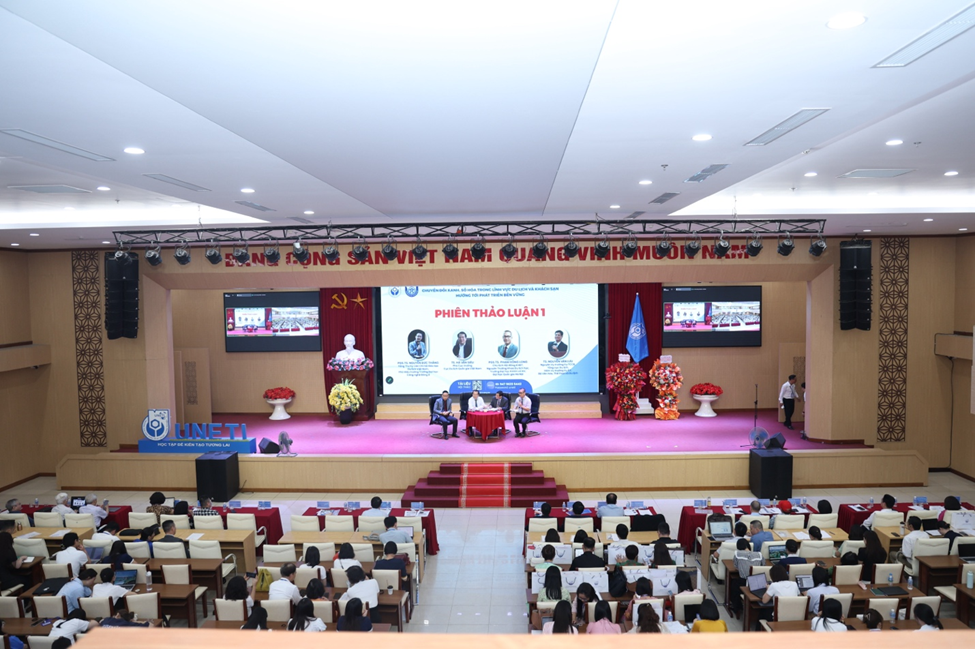
Overall attendance at the conference
The conference attracted strong participation, with 500 delegates attending in person and approximately 1,000 participants joining online. In addition, the event received 156 papers from 61 universities, research institutes, organizations, and enterprises nationwide, reflecting its wide academic influence and strong interest from the professional community.
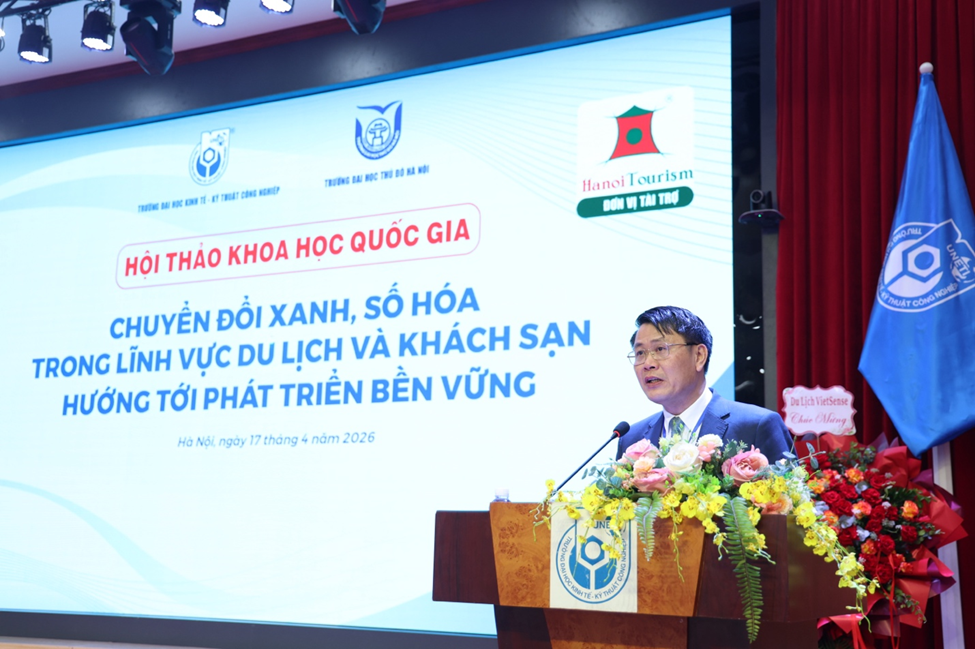
Opening remarks by Associate Professor Dr. Nguyễn Văn Tuân, Vice Rector of Hanoi Metropolitan University
In his opening remarks, Associate Professor Dr. Nguyễn Văn Tuân, Vice Rector of Hanoi Metropolitan University, stated that green transformation combined with digital transformation is not only an inevitable trend but also a key driver to enhance competitiveness and adaptability in the tourism sector.
He emphasized that the conference represents the cooperation between two higher education institutions with functions in research, knowledge dissemination, consultation, and social criticism in the fields of tourism and hospitality management. The event demonstrates both responsibility and determination in promoting initiatives to improve training quality and develop human resources for Vietnam’s tourism industry.
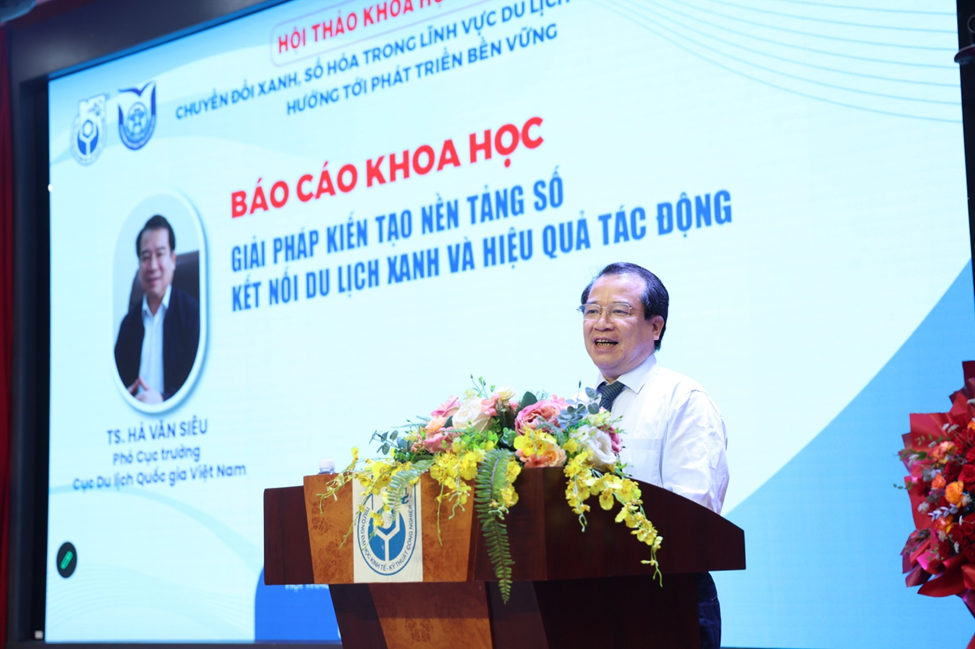
Dr. Hà Văn Siêu, Deputy Director General of the Vietnam National Authority of Tourism Presentation at the Conference
Building on this foundation, the presentations delved into specific thematic areas. Dr. Phạm Thị Bích Thủy, Faculty of Economics and Tourism, Hanoi Metropolitan University, approached the topic from a specialized perspective with research on memorial tourism, linking theoretical frameworks with practical implementation at the Hoa Lo Prison Relic Site. Her presentation enriched the discussion content and affirmed the research capacity of the university’s academic staff at a national forum.
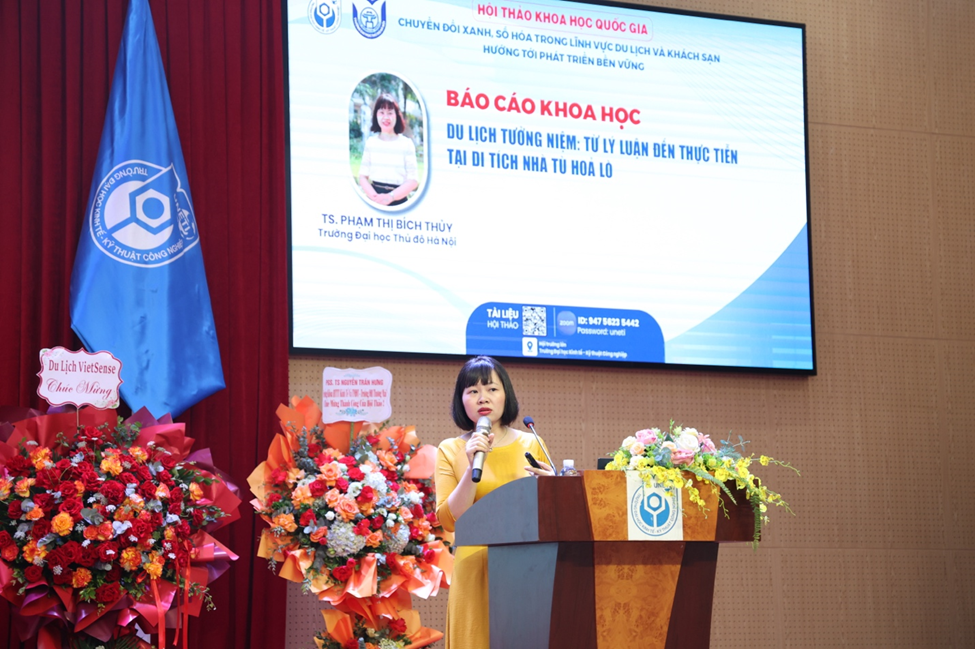
Dr. Phạm Thị Bích Thủy, Faculty of Economics and Tourism, Hanoi Metropolitan University, presented her paper at the conference.
The presentation by Associate Professor Dr. Phạm Hồng Long, University of Social Sciences and Humanities – Vietnam National University, Hanoi, further deepened the academic discussion by analyzing the transition from sustainable tourism to regenerative and green tourism, while drawing practical lessons for Vietnam. This contribution helped shape new development thinking for the tourism sector in the context of climate change adaptation and sustainable development requirements.
From a business perspective, Ms. Nhữ Thị Ngần, CEO of Hanoi Tourism Investment Joint Stock Company, provided practical insights through the “three-pillar model” promoting green transformation, digitalization, and human resource development. Her presentation emphasized the crucial role of close collaboration between enterprises, educational institutions, and regulatory agencies in building a sustainable tourism ecosystem that can adapt to evolving conditions.
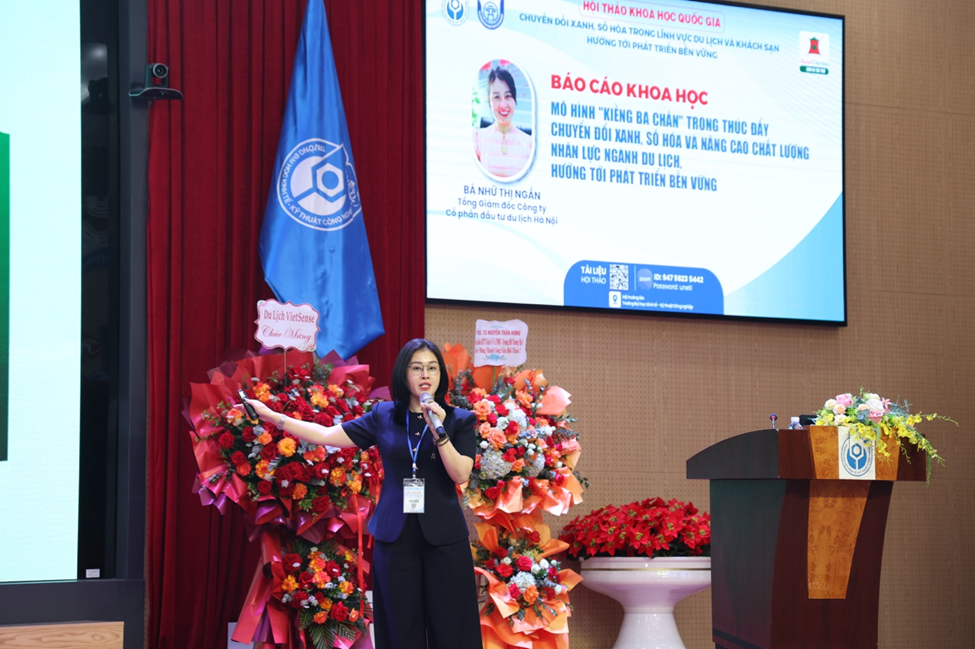
Ms. Nhữ Thị Ngần, CEO of Hanoi Tourism Investment Joint Stock Company, presented her paper at the conference.
Closing the series of presentations, Mr. Nguyễn Huy Hòa, University of Economics – Technology for Industries, focused on the human factor, emphasizing the requirements of digital skills and green skills for students in Tourism and Hospitality programs. His presentation contributed to completing the overall picture from policy and models to human resource development.
During the discussion sessions, delegates actively exchanged views, analyzed key issues, and proposed a range of solutions related to core challenges in the industry, such as institutional improvement, and the promotion of green and digital transformation in tourism. The discussions highlighted the role of modern technology, as well as the importance of state support for enterprises in the transformation process and in developing sustainable tourism linked with local communities. Through these exchanges, many practical directions were proposed, contributing to enhancing the competitiveness and sustainable development of Vietnam’s tourism sector.
Through the presentations and in-depth discussions, the conference made an important contribution to enriching the theoretical framework, providing scientific evidence, and sharing practical experience to support policy formulation and strategic development planning for the tourism sector in the coming period. At the same time, the event also opened opportunities to strengthen closer cooperation among educational institutions, research institutes, regulatory agencies, and enterprises, toward building a more modern, sustainable, and globally integrated Vietnamese tourism industry in line with international development trends.
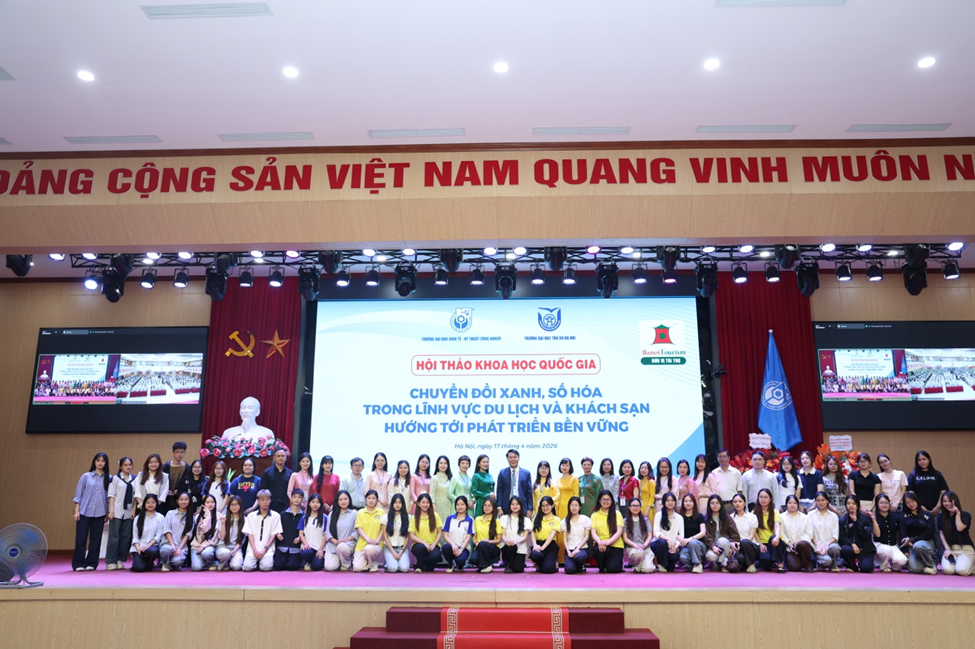
The national scientific conference concluded successfully, leaving significant academic and practical impacts. The discussions, analyses, and proposals made at the conference helped clarify key directions for green transformation and digitalization in the tourism and hospitality sector. This also serves as an important foundation for strengthening connections among higher education institutions and relevant stakeholders, toward the goal of developing Vietnam’s tourism industry in a sustainable manner and adapting to new global contexts.