International Scientific Conference AFCE 2025: Developing Culture and Creative Education in the Digital Era.
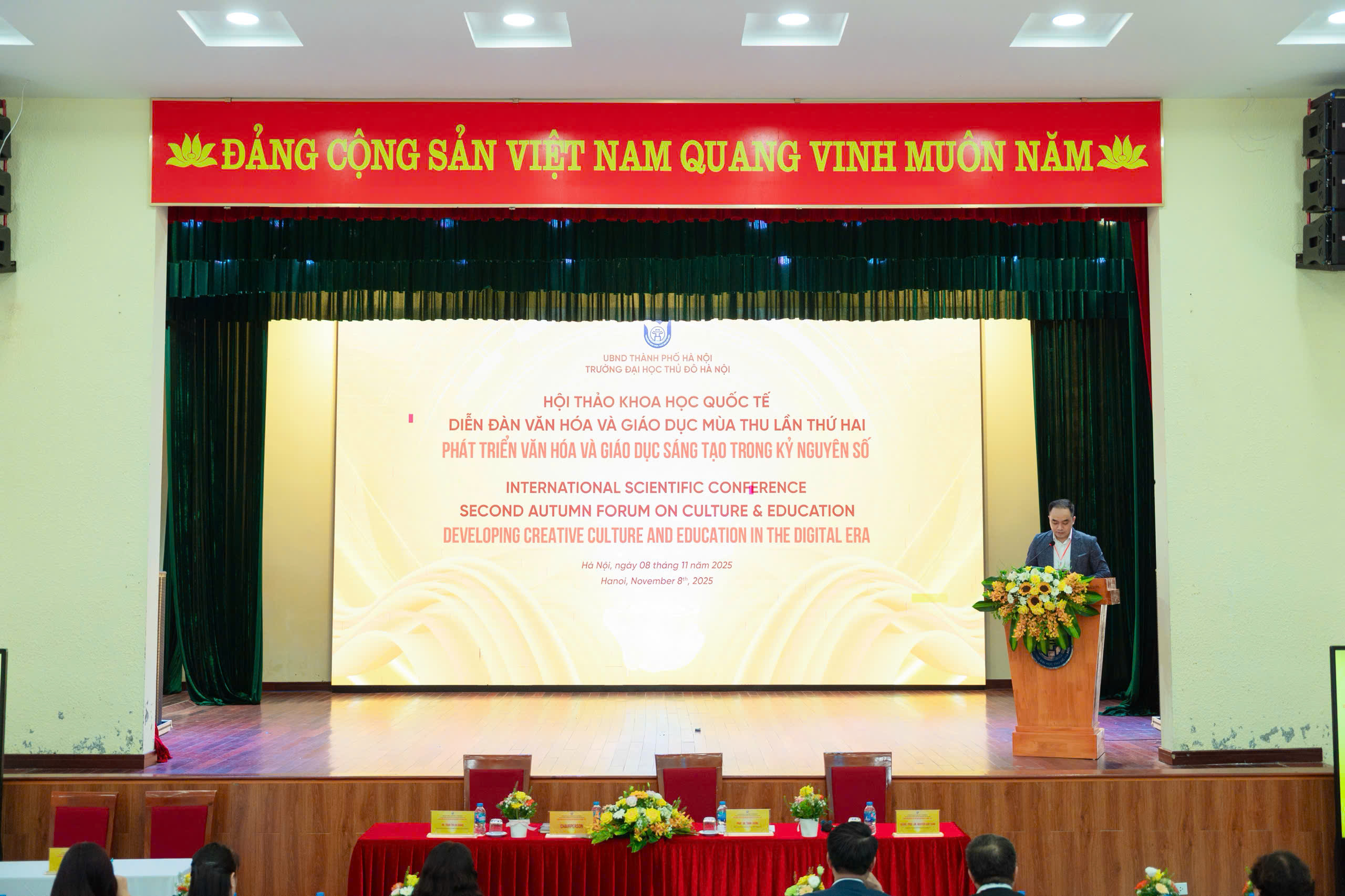
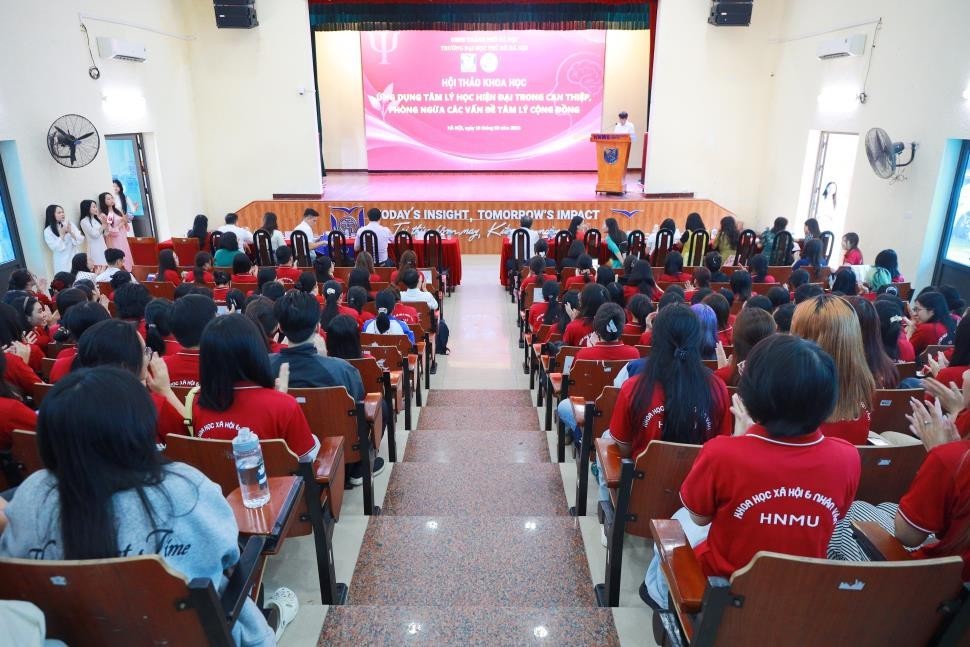
Overview of the Conference Hall
On November 8, 2025, Hanoi Metropolitan University hosted the Second Autumn Forum on Culture and Education – AFCE 2025, an international academic event that brought together more than 200 scholars, experts, and lecturers from Viet Nam and abroad to discuss the overarching theme: Developing Creative Culture and Education in the Digital Era.
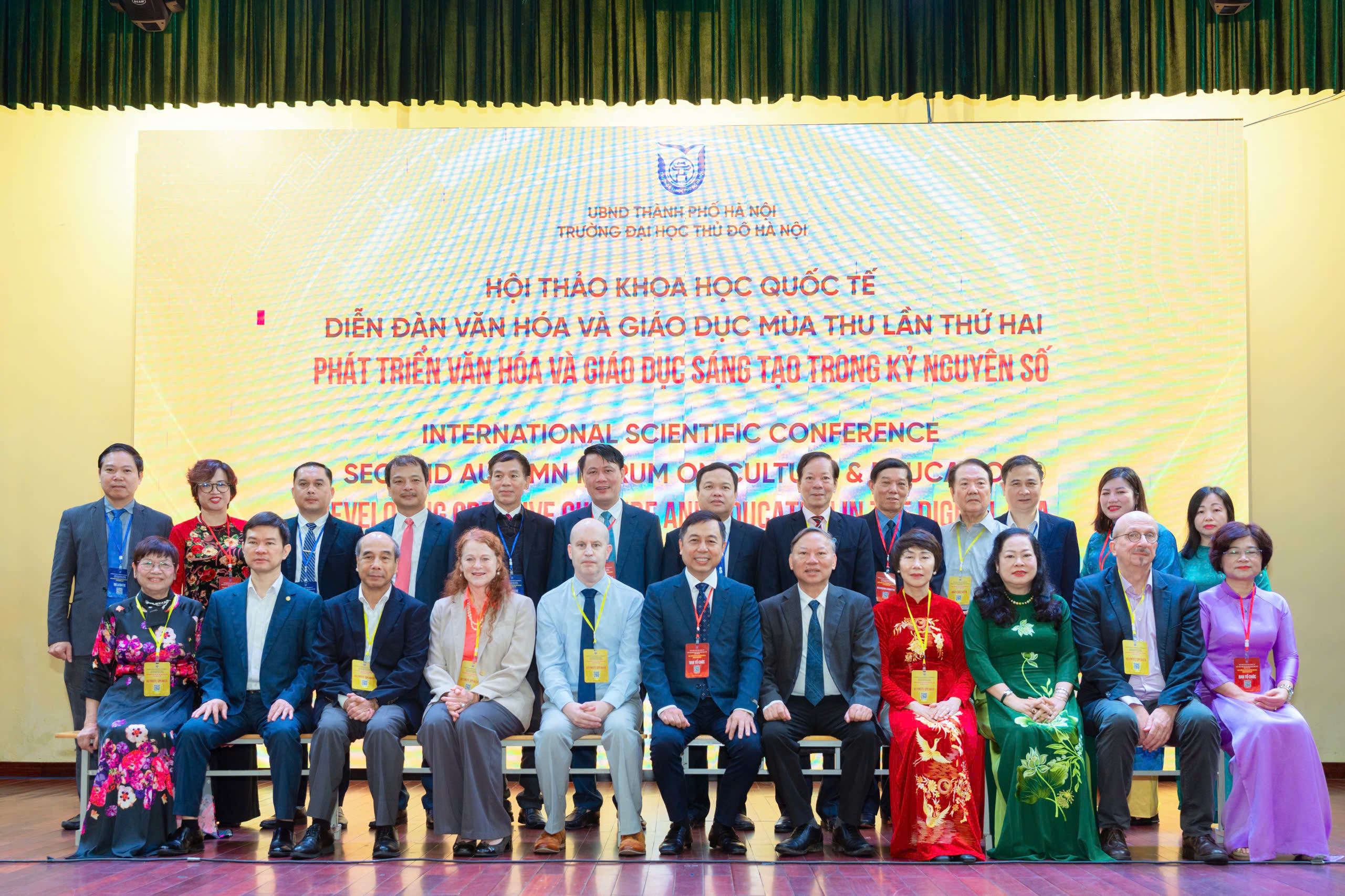
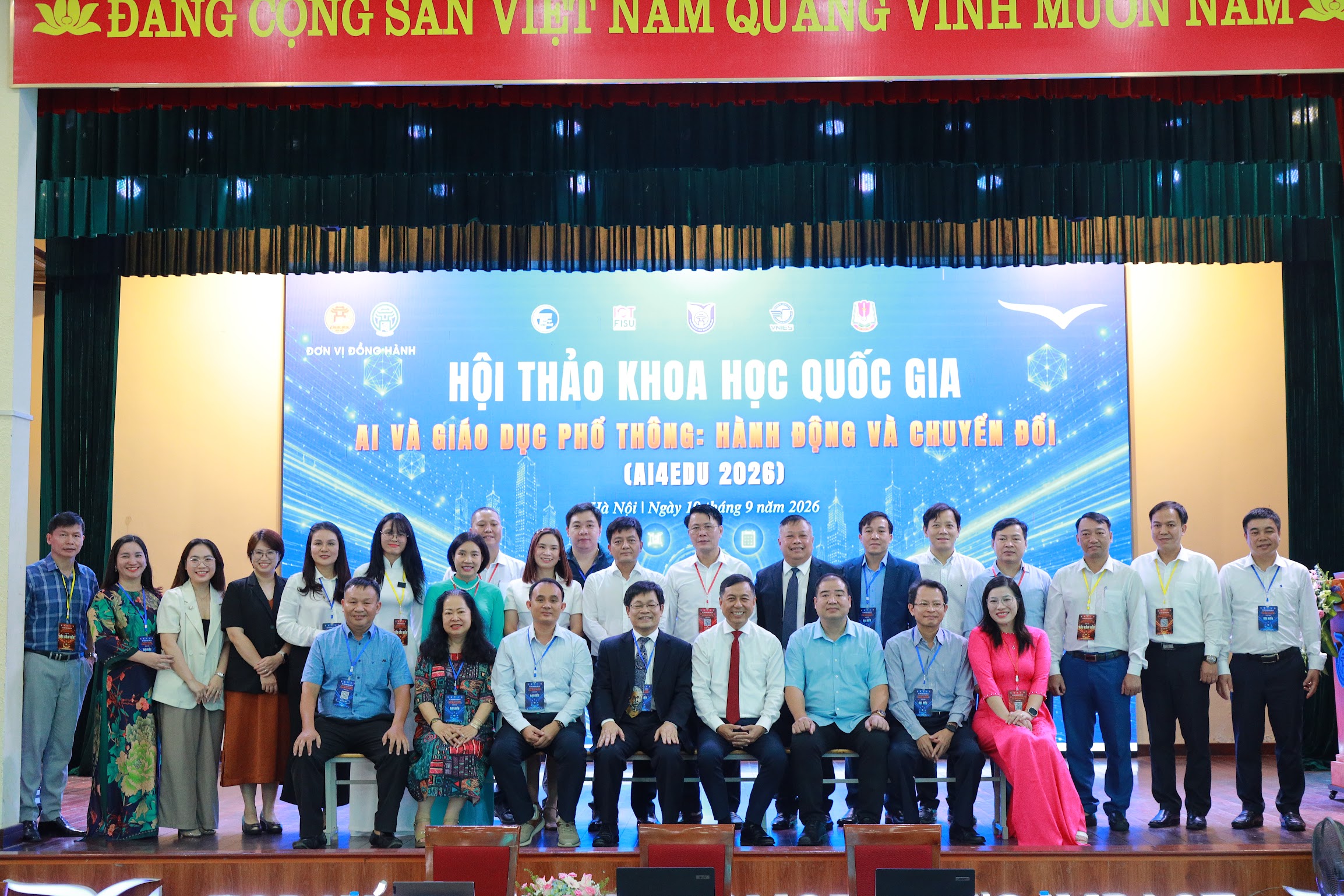
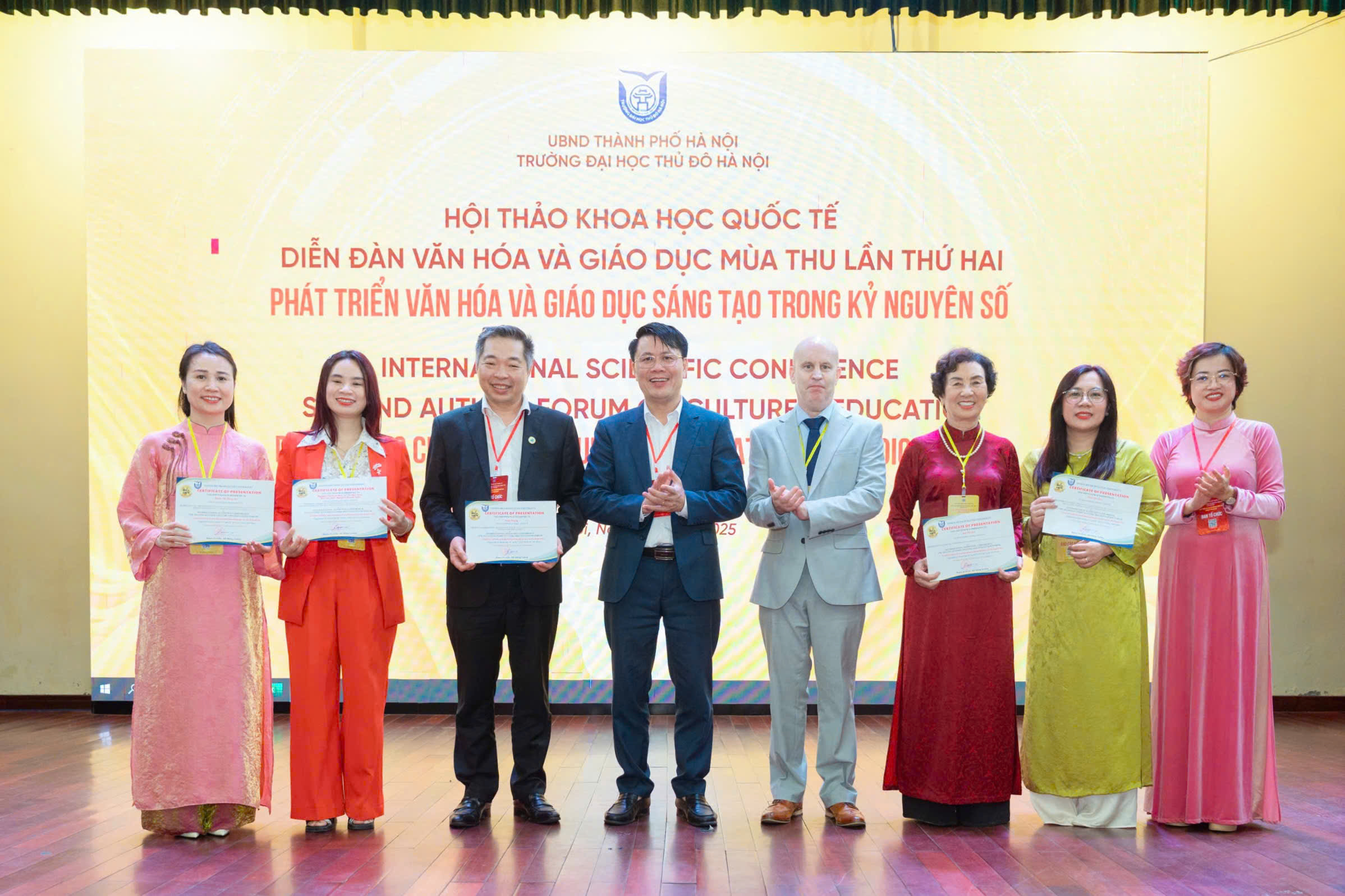
Members of the Presidium and international and domestic presenters taking a commemorative photo at the International Scientific Conference AFCE 2025..
Attending the conference, on the guest side, were representatives of the Ministry of Education and Training, the Ministry of Culture, Sports and Tourism, the Vietnam National Commission for UNESCO, along with representatives from universities, research institutes, management agencies, and international organizations. The conference welcomed international scholars from Germany, Japan, and Malaysia, as well as many prestigious Vietnamese experts and scientists. On the university side, there was Assoc. Prof. Dr. Đỗ Hồng Cường, President of Hanoi Metropolitan University, together with leaders of departments, lecturers, and students..
The conference this year stood out for its academic depth, the diversity of fields, and the participation of many reputable scientists from Germany, Japan, and Malaysia, along with a large number of Vietnamese experts. The presentations focused on three main themes: Creative education and sustainable development in the digital era; Cultural identity in the digital era; Digital technology in the preservation and development of culture and education.
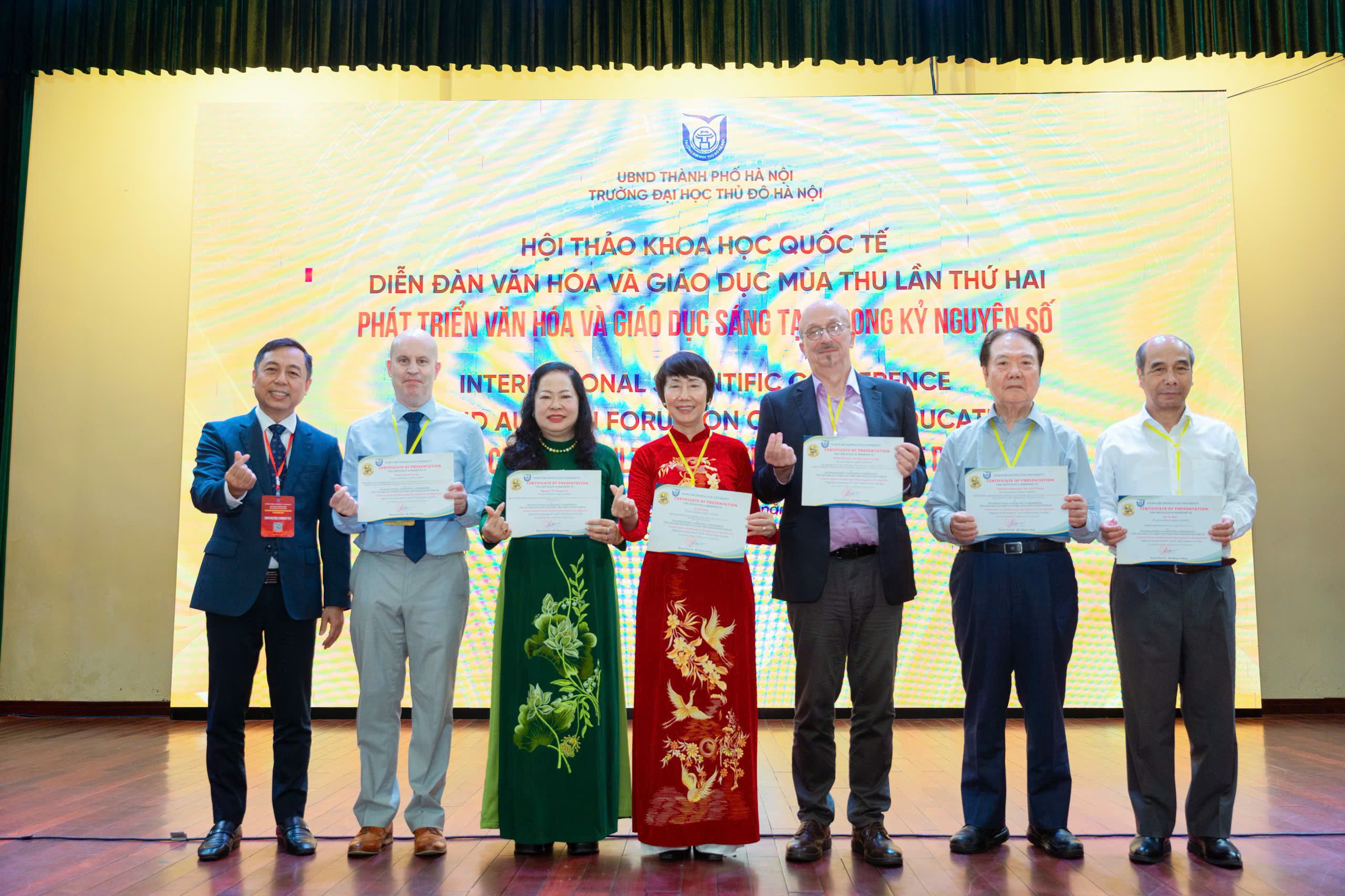
The President of the University and international and domestic presenters taking a commemorative photo at the International Scientific Conference AFCE 2025.
The morning plenary session of the conference opened with six keynote presentations, clearly reflecting the three main thematic groups. The papers by scholars from Germany, Japan, Malaysia, and Viet Nam comprehensively covered topics ranging from creative educational innovation and cultural identity in digital environments to the application of artificial intelligence in the preservation and development of culture and education. These six presentations were considered the “academic axis” of the conference, laying the foundation for in-depth discussions in the three afternoon sub-sessions.The morning plenary session of the conference opened with six keynote presentations, clearly reflecting the three main thematic groups. The papers by scholars from Germany, Japan, Malaysia, and Viet Nam comprehensively covered topics ranging from creative educational innovation and cultural identity in digital environments to the application of artificial intelligence in the preservation and development of culture and education. These six presentations were considered the “academic axis” of the conference, laying the foundation for in-depth discussions in the three afternoon sub-sessions.
The morning plenary session of the conference opened with six keynote presentations, clearly reflecting the three main thematic groups. The papers by scholars from Germany, Japan, Malaysia, and Viet Nam comprehensively covered topics ranging from creative educational innovation and cultural identity in digital environments to the application of artificial intelligence in the preservation and development of culture and education. These six presentations were considered the “academic axis” of the conference, laying the foundation for in-depth discussions in the three afternoon sub-sessions.
Following that success, in the afternoon, the thematic sub-sessions worked actively, focusing on in-depth analysis and discussion of the key issues in each field, from creative educational innovation and Vietnamese cultural identity in the digital space to the application of technology and artificial intelligence in the preservation and development of culture and education.
Sub-session 1.
In the first thematic group, the conference gathered research papers on educational innovation based on technology and creative thinking, emphasizing the relationship between creative education – digital transformation – sustainable development. The presentations did not stop at technical solutions but also deeply discussed educational philosophies such as personalized education, learners’ creative capacities, and the reform of smart school models.
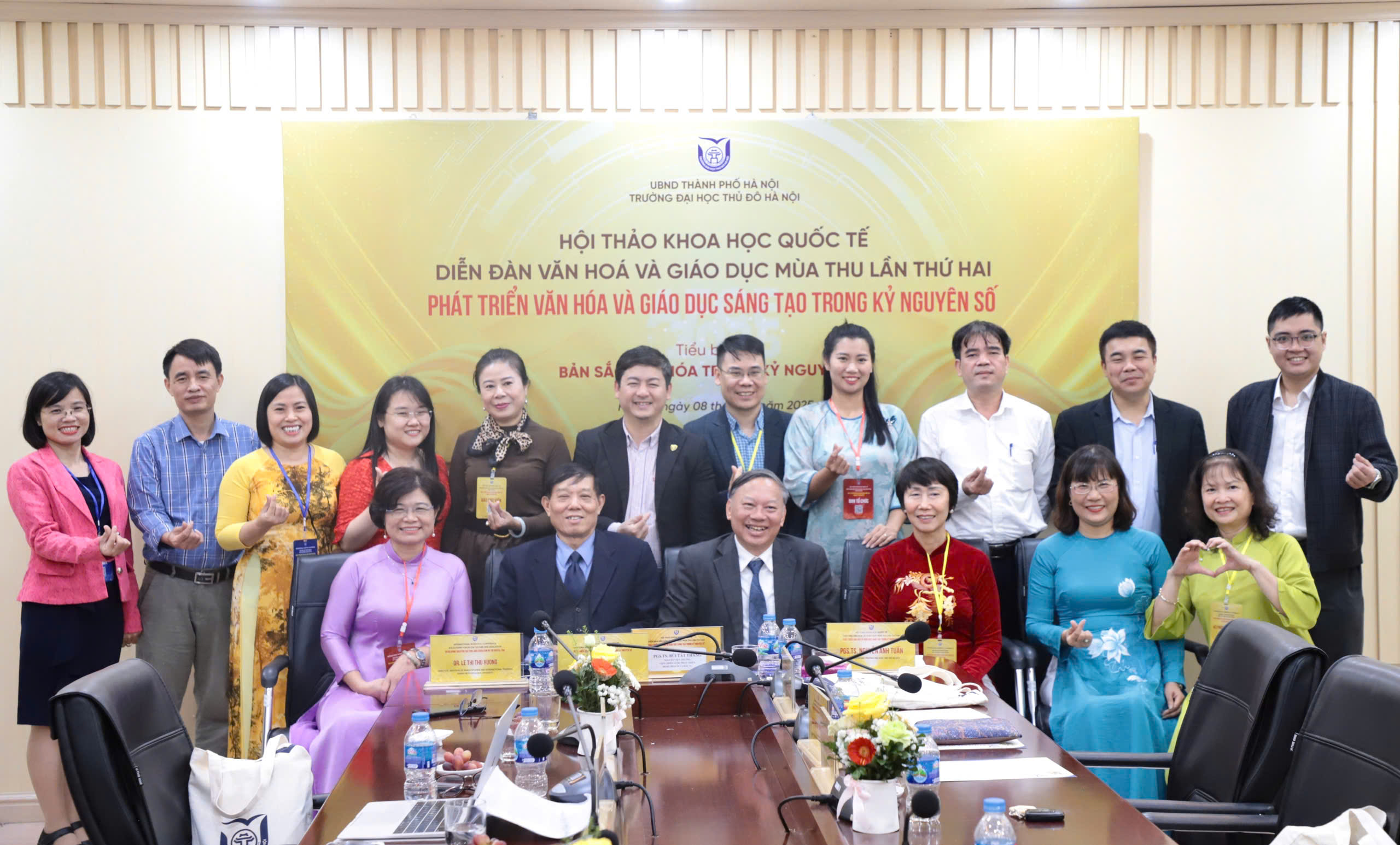
Sub-session 2.
The second thematic group focused on decoding the transformations of Vietnamese cultural identity in the digital environment, examining the interaction between traditional values, modern technology, and cyberspace. The papers explored multiple perspectives, including history, sociology, aesthetics, literature, and psychology, creating a multidimensional picture of Vietnamese identity in the digital era.

Sub-session 3.
The remaining thematic group focused on analyzing the role of digital technology, especially artificial intelligence (AI), in educational innovation and in the preservation and promotion of Vietnamese cultural values. A notable highlight was the connection between education – arts – heritage – technology, creating an approach of “digital interconnection.”
The papers presented at the International Scientific Conference AFCE 2025 outlined a comprehensive and in-depth picture of the relationship between culture, education, and technology, especially artificial intelligence. Technology is not only a supporting tool but also a bridge that helps preserve and enrich national cultural identity, while promoting creative teaching and learning methods to meet the demands and challenges of today’s modern digital society.